Our Guests
The Insect Hotel doesn't advertise. It doesn't need to. The guests who find their way here are drawn by instinct, scent, and the quiet promise of shelter in a world that offers them very little of it.
Each of our guests has a reason for being here — and each plays a role in the garden ecosystem that most humans never notice. Here's who you might find checking in, and why this place matters to them.
Solitary Bees
The hotel's most important guests.
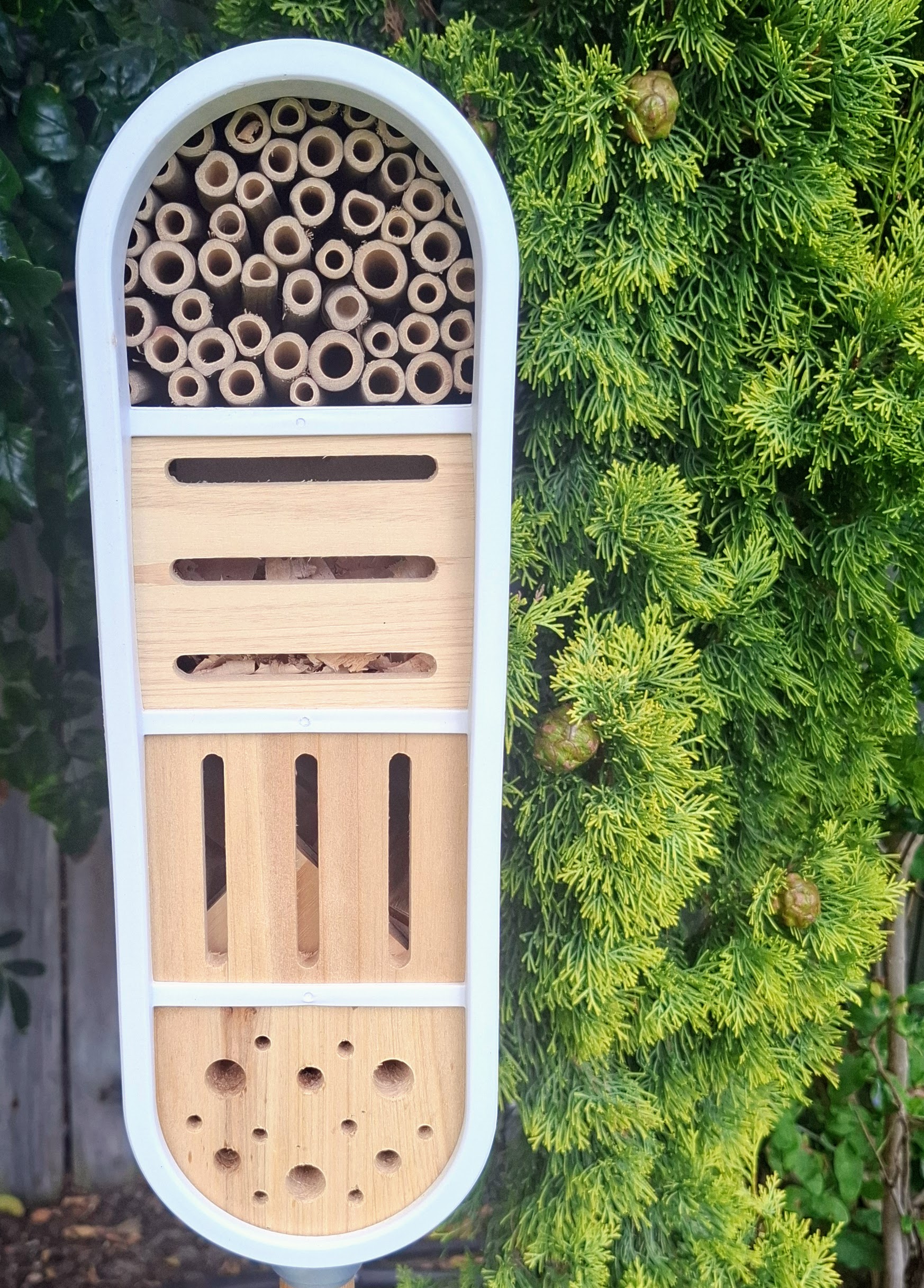
Leafcutter bees (Megachile), carpenter bees (Xylocopa), and other cavity-nesting solitary bees are not honeybees. They don't live in hives, they don't make honey, and they don't have a queen. Each female is an independent operator — she mates, finds a suitable cavity, and provisions it with pollen and nectar for her offspring. Then she seals the entrance and moves on. No colony. No caste system. Just quiet, solitary work.
Why they need the hotel
Here's the problem: suitable nesting cavities are scarce. In the wild, solitary bees nest in hollow plant stems, beetle borings in dead wood, gaps in old masonry, and crumbling earth banks. Modern gardens, with their tidy fences, treated timber, and paved surfaces, offer almost none of this. An insect hotel provides exactly what a solitary bee is searching for — a dry, sheltered cavity of the right diameter, facing the morning sun, close to flowers.
Cavity-nesting solitary bees prefer smooth-walled tunnels 6–10 mm in diameter and about 15 cm deep. They build internal walls from mud or resin, creating a chain of sealed cells, each containing a single egg and a pollen loaf. They emerge in spring as the fynbos and garden flowers come into bloom, and solitary bees can be extraordinarily efficient pollinators — making them invaluable gardeners.
Leafcutter bees (Megachile) are slightly smaller, preferring tunnels of 5–8 mm. They cut precise semicircles from rose leaves and soft foliage to line their cells — if you've ever noticed perfectly circular notches in your rose bushes, you've had a leafcutter as a neighbour.
Preferred rooms: The Bamboo Suite, The Drilled Log Rooms
Solitary Wasps
The misunderstood professionals.
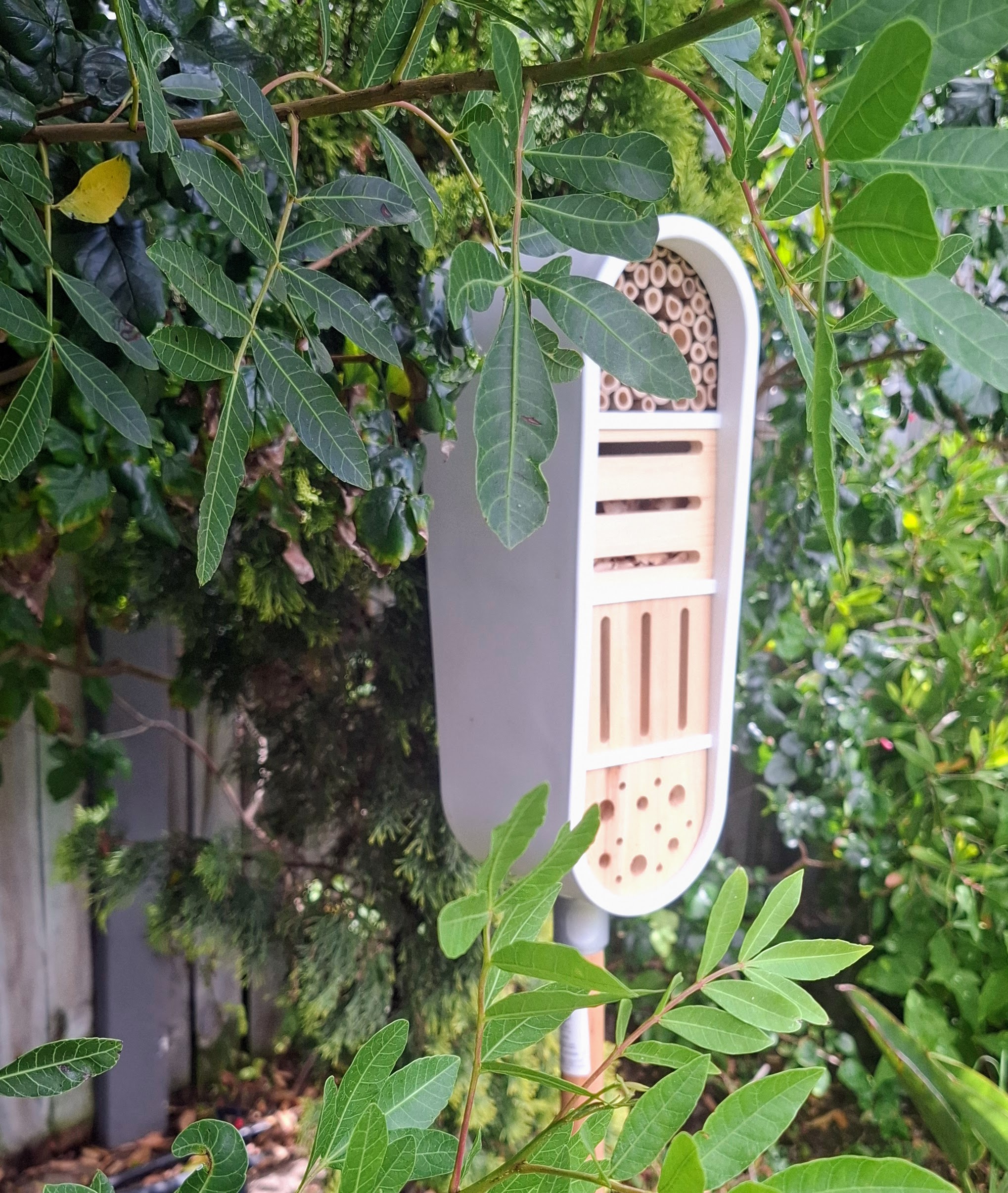
Forget what you know about wasps from braais and picnics. The solitary wasps that use insect hotels are nothing like yellowjackets or hornets. Species like the potter wasps (Delta) and various solitary hunting wasps are calm, docile, and extraordinarily useful. They rarely sting — and even if they did, their venom is mild compared to social wasps.
Why they need the hotel
Solitary wasps are specialist predators. Depending on the species, a single female may provision her nest with caterpillars, aphids, beetle larvae, or spiders — paralysed with precision and stored alive as fresh food for her young. One wasp can remove hundreds of garden pests in a single season.
Like solitary bees, they need small cavities for nesting and are losing habitat to the same forces — tidied gardens, sealed walls, removed deadwood. An insect hotel with tubes in the 3–8 mm range gives them exactly what they need.
You can tell a wasp-occupied tube from a bee-occupied one by the cap: solitary bees typically seal with mud or leaf material, while many wasps use a distinctive plug of dried mud, sometimes mixed with sand grains.
Preferred rooms: The Bamboo Suite, The Straw Gallery
Ladybirds
Wet-season refugees.
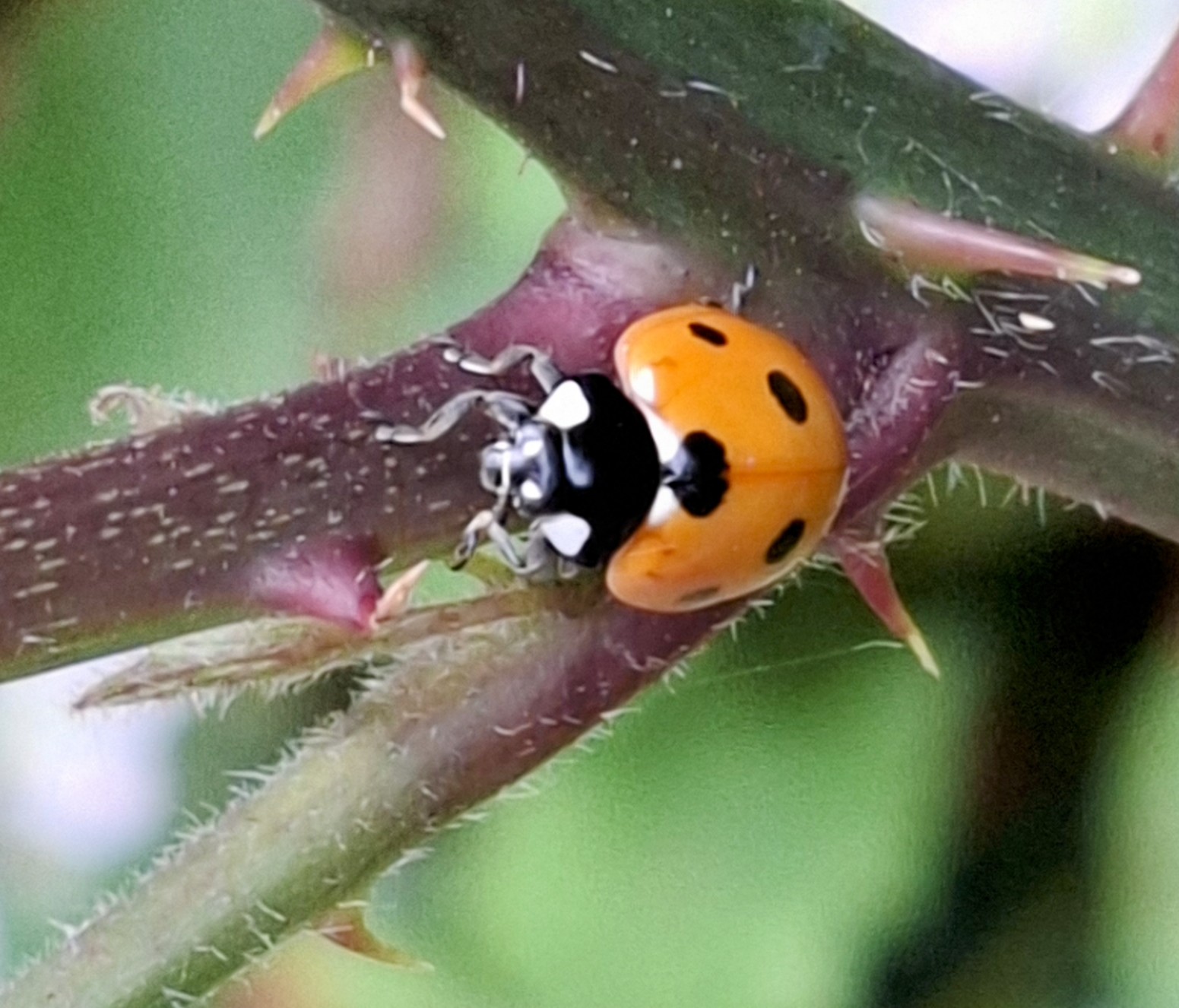
A single ladybird can eat 5,000 aphids in its lifetime. In summer, they're dispersed across the garden, methodically clearing plants of pests. But when autumn arrives and the Western Cape's wet winter sets in, ladybirds need a sheltered, dry place to enter dormancy and wait out the rains until spring.
Why they need the hotel
In the wild, ladybirds shelter in leaf litter, under bark, and in rock crevices. They often cluster together — sometimes in groups of dozens — to conserve moisture and avoid waterlogged conditions. An insect hotel's pine cones, bark layers, and stacked crevices provide exactly this: a complex, sheltered space with multiple entry points where ladybirds can tuck in for the wet months.
Without adequate winter shelter, ladybird populations decline — and the following spring's aphid problems multiply accordingly. The hotel doesn't just house ladybirds; it safeguards the garden's pest control for the season ahead.
Preferred rooms: The Pine Cone Loft, The Bark Hideaway
Lacewings
The night shift.
Green lacewings (Chrysoperla zastrowi) are among the most effective biological pest controllers on the planet. Their larvae — sometimes called "aphid lions" — are voracious predators, consuming up to 200 aphids per week along with mites, thrips, whitefly eggs, and small caterpillars. The adults are delicate, pale green insects with large, translucent, intricately veined wings and golden eyes.
Why they need the hotel
Lacewings are largely nocturnal and crepuscular. Their extraordinary superposition eyes — those golden, iridescent hemispheres — are built for gathering light in near-darkness. During the day, they rest. During winter, they need a dry, sheltered site to ride out the wet season.
This is where many lacewing populations are lost. Cold, waterlogged nights in exposed positions can kill dormant adults. An insect hotel provides sheltered chambers — pine cones, tightly packed straw, bark crevices — where lacewings can sit out the winter rains in relative safety. The complex, layered structure mimics the bark fissures and dense vegetation they naturally seek.
Come spring, surviving lacewings lay hundreds of eggs on nearby plants, and the cycle of pest control begins again.
Preferred rooms: The Pine Cone Loft, The Straw Gallery
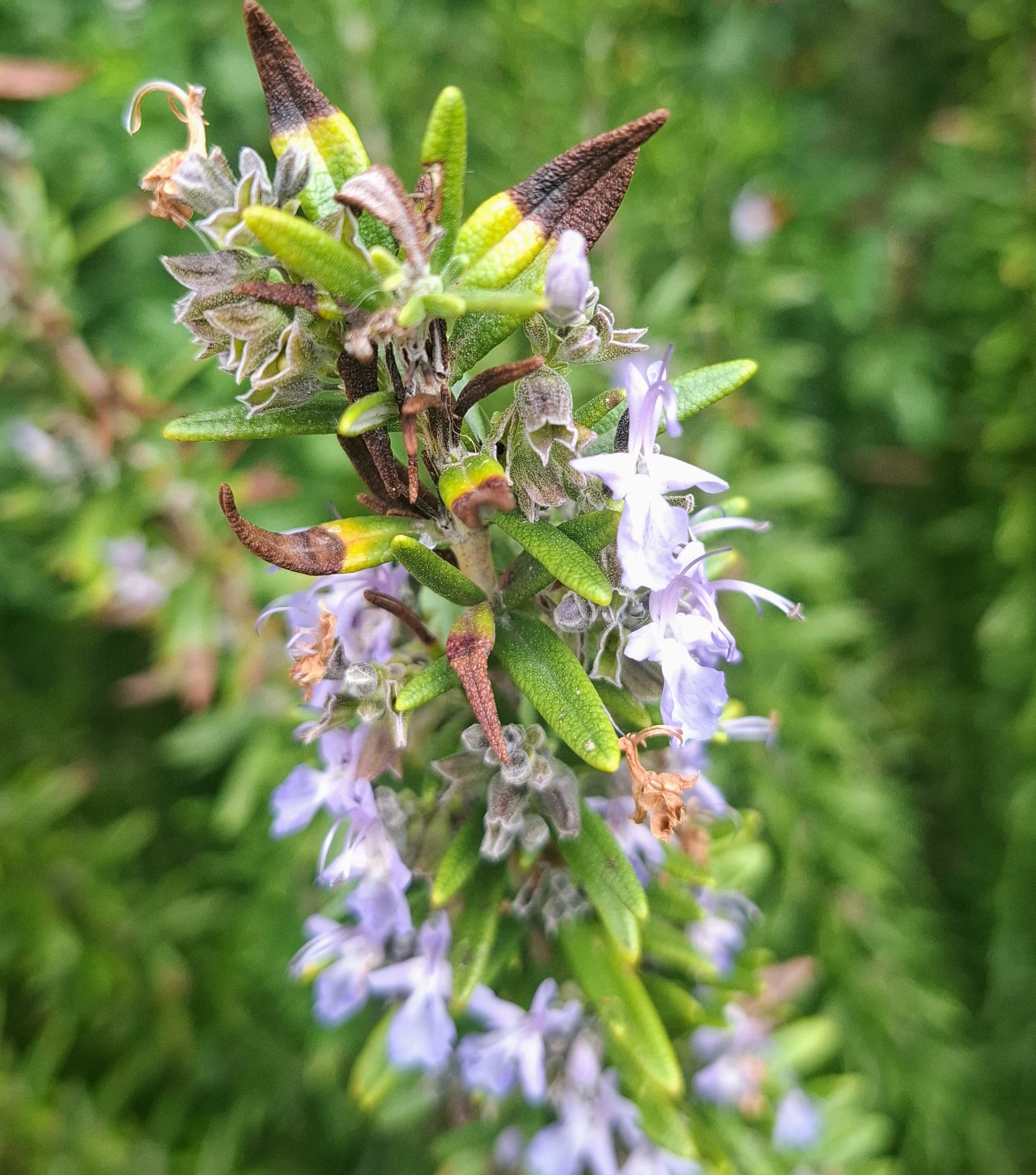
Hoverflies
Pollinators in disguise.
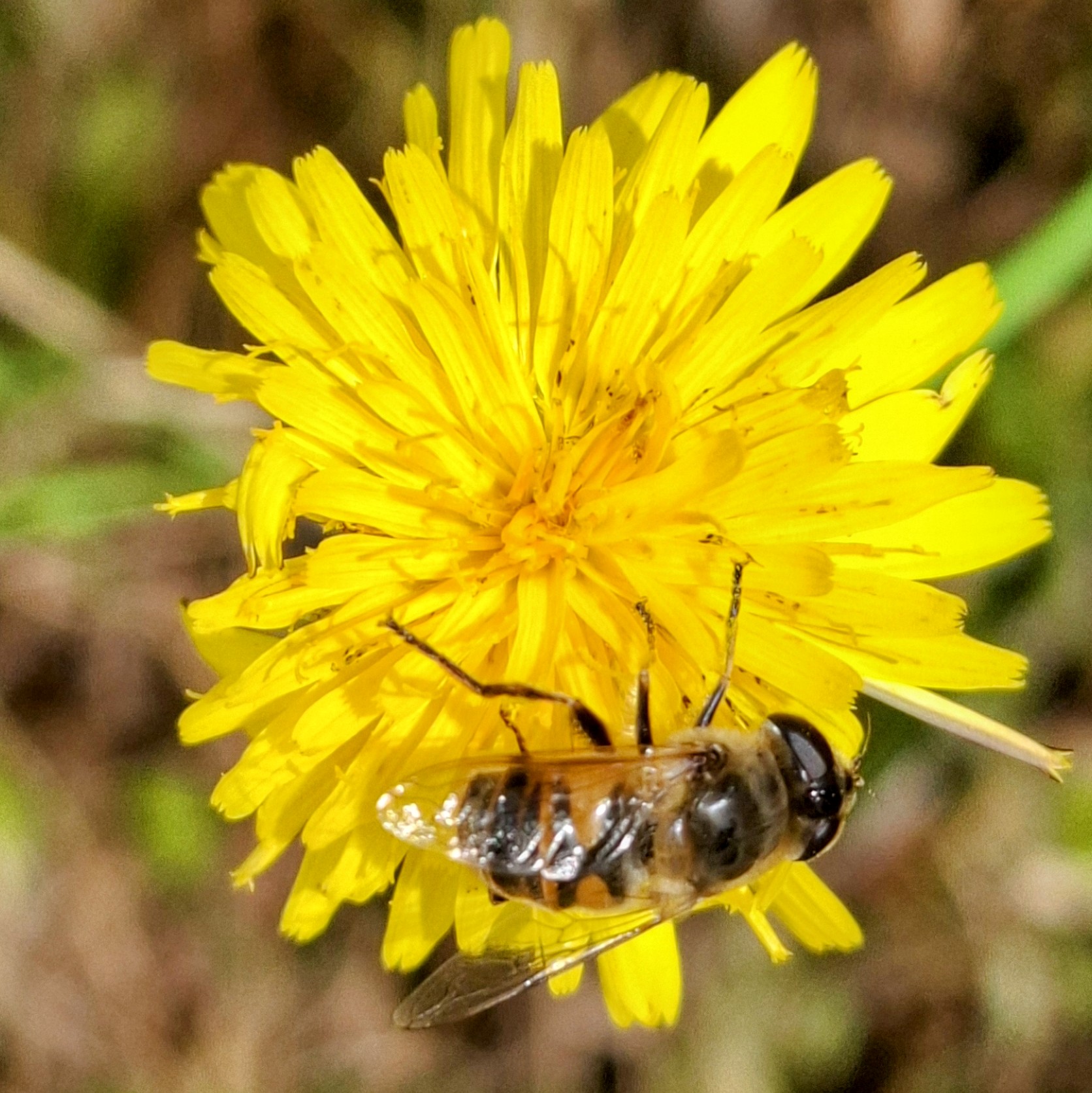
Hoverflies (Syrphidae) are the mimics of the insect world — many species wear wasp-like stripes despite being completely harmless. They're superb pollinators, second only to bees in many ecosystems, and their larvae are devastating predators of aphids.
Why they need the hotel
Adult hoverflies need sheltered resting spots close to foraging areas. Some species become dormant during the wet winter months and need the same kind of sheltered crevice habitat as lacewings. Others pass the winter as pupae in soil or leaf litter.
An insect hotel surrounded by flowering plants is ideal: the adults can forage among the fynbos and garden flowers by day — drawn especially to yellow blooms, which they are innately, unshakeably attracted to — and retreat to the hotel's bark layers and straw bundles at night or during poor weather.
Their larvae, deposited on aphid-infested plants nearby, provide free, silent, tireless pest control.
Preferred rooms: The Bark Hideaway, The Straw Gallery
Earwigs
Unfairly maligned.
The common earwig (Forficula senegalensis) has an image problem. Those pincers look threatening, and the old myth about crawling into ears persists. In reality, earwigs are omnivorous scavengers and predators — they eat aphids, mites, insect eggs, and decaying plant material. They are, on balance, beneficial to gardens.
Why they need the hotel
Earwigs are nocturnal and need dark, tight-fitting daytime refuges. In nature, they shelter under bark, in flower heads, and in soil crevices. They are also remarkable parents — the female guards her eggs and tends the nymphs after hatching, one of the very few examples of maternal care in non-social insects.
An insect hotel's pine cones, bark layers, and bundled stems provide exactly the kind of narrow, dark spaces earwigs seek. A female sheltering in a pine cone crevice with her clutch of eggs is not a pest — she's a mother doing her best in a world full of predators.
Preferred rooms: The Pine Cone Loft, The Bark Hideaway
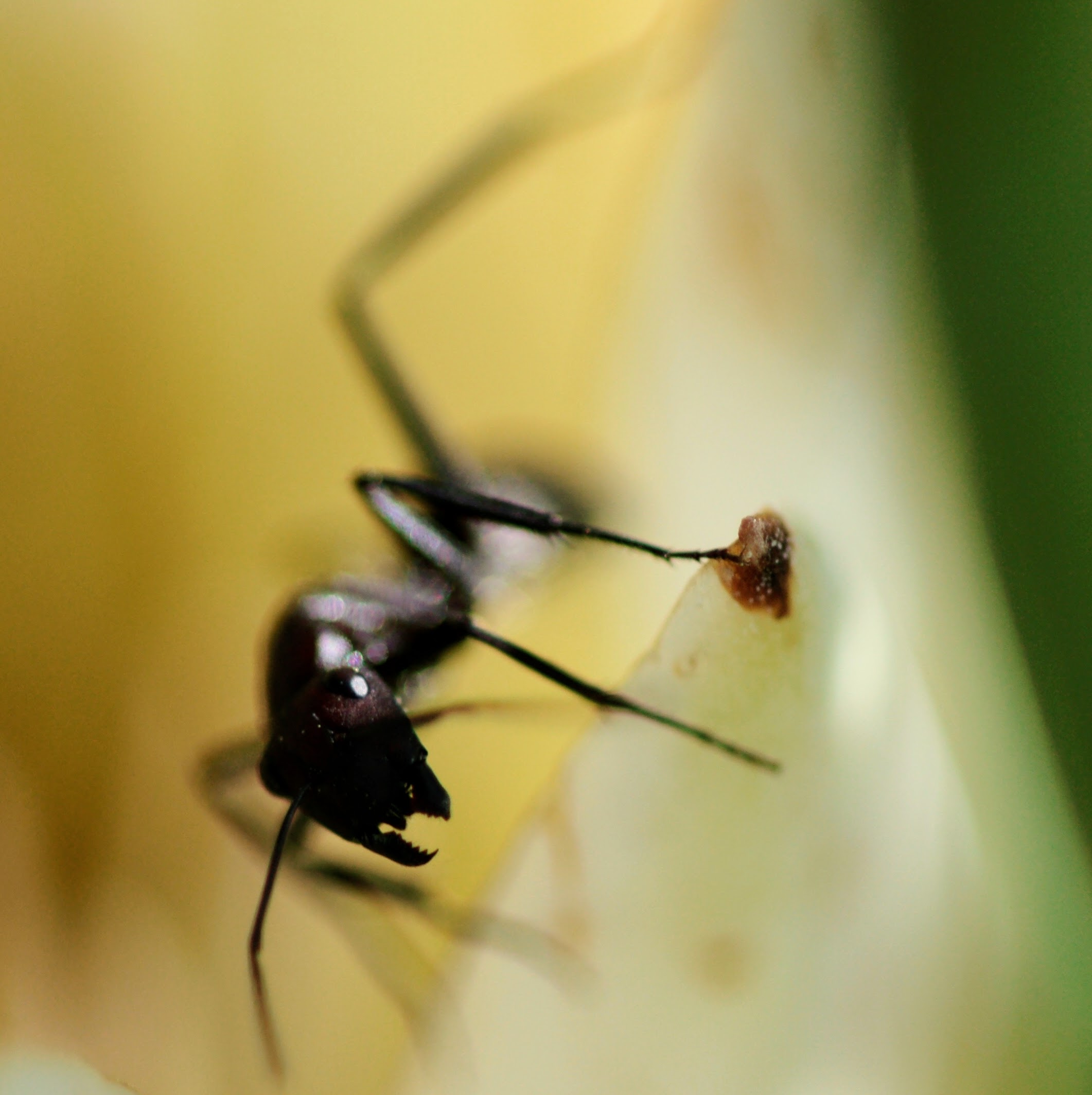
Beetles
The quiet majority.
Beetles are the most species-rich order of insects on Earth — and several groups are valuable garden inhabitants. Ground beetles (Carabidae) are nocturnal predators of slugs, snails, and soil-dwelling larvae. Rove beetles (Staphylinidae) hunt aphids and small invertebrates. Even bark beetles and wood-boring beetles play a role in breaking down dead plant material and recycling nutrients.
Why they need the hotel
Many beetles need undisturbed ground-level habitat — leaf litter, loose bark, and decaying wood. Modern gardens often remove all of this in the pursuit of tidiness. An insect hotel with a generous leaf litter base and stacked bark provides the dark, damp, sheltered conditions that predatory beetles need to thrive.
A garden with a healthy beetle population has fewer slugs, fewer soil pests, and better nutrient cycling. The beetles ask for nothing but to be left alone in the dark.
Preferred rooms: The Bark Hideaway, The Leaf Litter Lounge
Butterflies
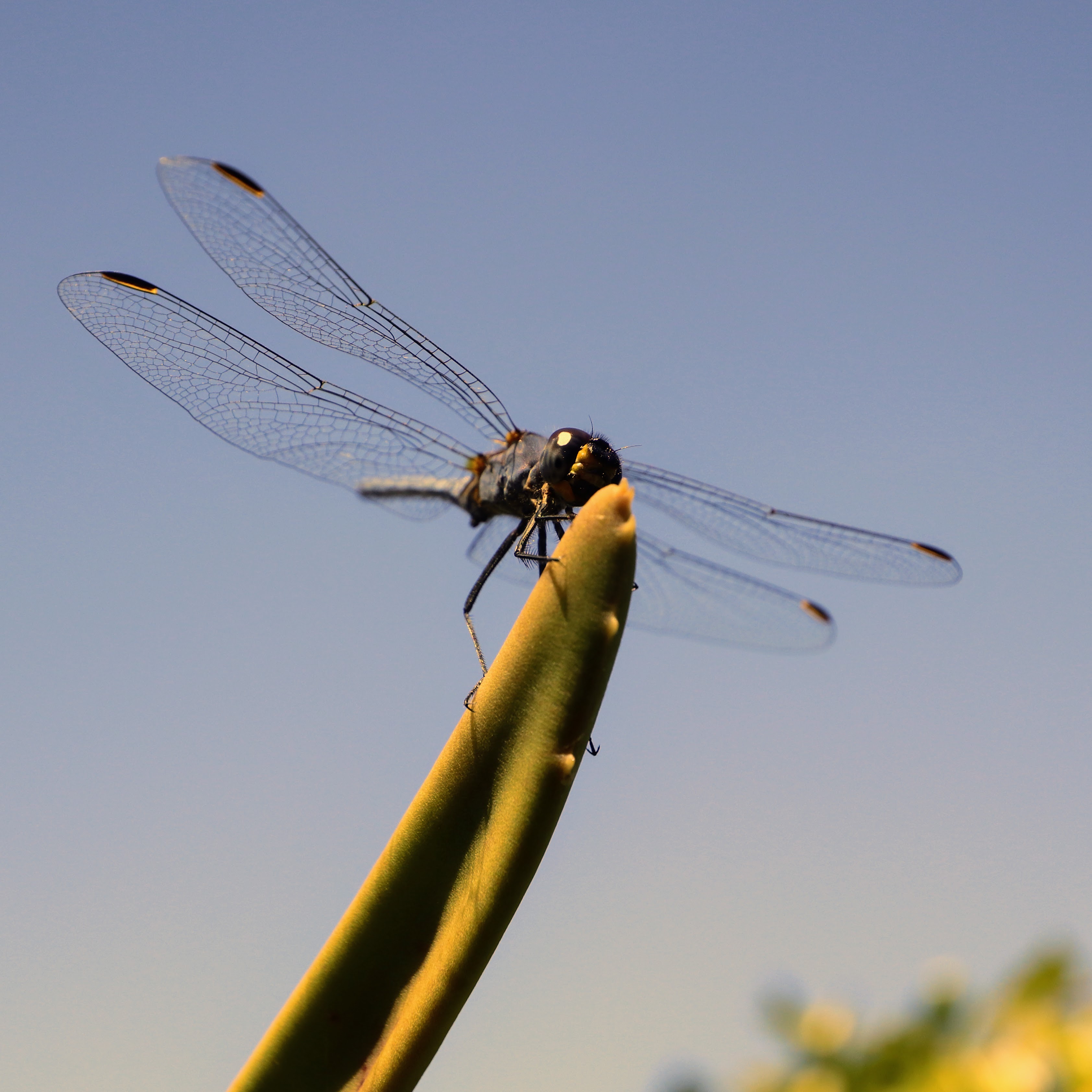
Passing through — or sheltering through winter.
Most butterflies won't nest in an insect hotel, but several species become dormant during the cooler, wetter months and need sheltered resting sites. Pansies (Junonia), the African Monarch (Danaus chrysippus), and other local species seek out dry crevices in autumn, entering a quiet period until the warmer weather returns.
Why they need the hotel
Dormant butterflies are extraordinarily vulnerable. A flooded shelter, a prolonged damp spell, or a curious predator can be fatal. They need stable, dry, undisturbed spaces that maintain relatively constant conditions through the wet winter months.
An insect hotel's slatted wood panels, bark layers, and leaf litter sections offer exactly this — narrow vertical gaps and sheltered recesses where a dormant butterfly can rest with folded wings, camouflaged against the wood, undisturbed until spring.
The Table Mountain Beauty (Aeropetes tulbaghia) — one of the Western Cape's most iconic butterflies and a key pollinator of red fynbos flowers including the Red Disa — may visit the garden to feed on nectar-rich blooms. It won't shelter in the hotel, but it appreciates the habitat.
Preferred rooms: The Leaf Litter Lounge, The Bark Hideaway
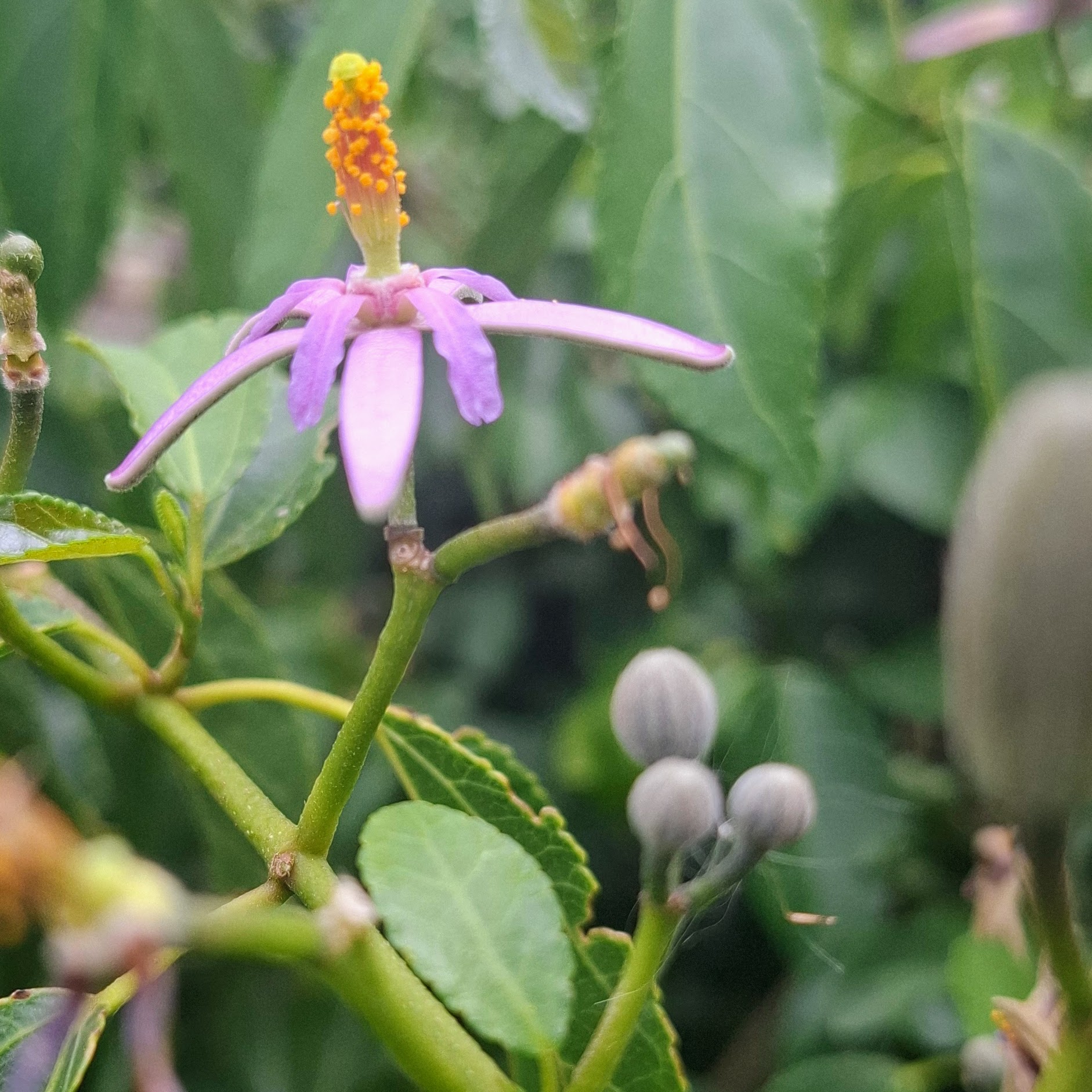
Woodlice
Not insects, but welcome.
Woodlice are crustaceans — more closely related to crabs and lobsters than to any insect in the hotel. But they play a critical role as decomposers, breaking down dead plant material and returning nutrients to the soil. A garden without woodlice is a garden with poor soil health.
Why they need the hotel
Woodlice breathe through modified gills and require moisture to survive. They seek out damp, dark, sheltered spaces — under logs, stones, and in soil crevices. The Bark Hideaway's moisture-retaining layers and the Leaf Litter Lounge's decomposing organic material provide ideal conditions.
They're quiet, harmless, and do their best work unseen. The garden's fertility depends, in part, on their tireless recycling.
Preferred rooms: The Bark Hideaway, The Leaf Litter Lounge
Why an Insect Hotel?
The honest answer is that most of these species shouldn't need one. In a landscape with deadwood, wildflower margins, unmown grass, leaf litter, and crumbling walls, there would be nesting cavities and shelter sites everywhere. Insects have managed without hotels for hundreds of millions of years.
But modern landscapes have removed almost all of this habitat. Gardens are tidied. Deadwood is cleared. Fynbos margins are stripped back. Old walls are repointed. Wild areas are mown and sprayed. The nesting and shelter sites that solitary bees, lacewings, ladybirds, and beetles depend on have been systematically eliminated — not out of malice, but out of habit.
An insect hotel is a small act of restoration. It puts back, in concentrated form, what the surrounding landscape has lost:
- Cavities for solitary bees and wasps to nest
- Shelter for lacewings, ladybirds, and butterflies through the wet season
- Dark, damp refuge for beetles, earwigs, and woodlice
- Proximity to food — placed near flowering plants, it shortens the commute between nest and forage
- Stability — a structure that stays put, season after season, so returning guests can find their way back
The guests who use The Insect Hotel are not freeloaders. Every one of them gives back: pollination, pest control, decomposition, nutrient cycling. The hotel is an investment in the garden's health — and in the broader ecosystem it belongs to.
The Insect Hotel Philosophy
"We don't attract guests. We provide what they've been looking for all along — and let nature do the rest."