Local Area & Activities
The Insect Hotel isn't just a place to stay — it's a gateway to one of the most biodiverse regions on the planet. Step outside your chamber and the Western Cape unfolds before you.
The Landscape
Fynbos
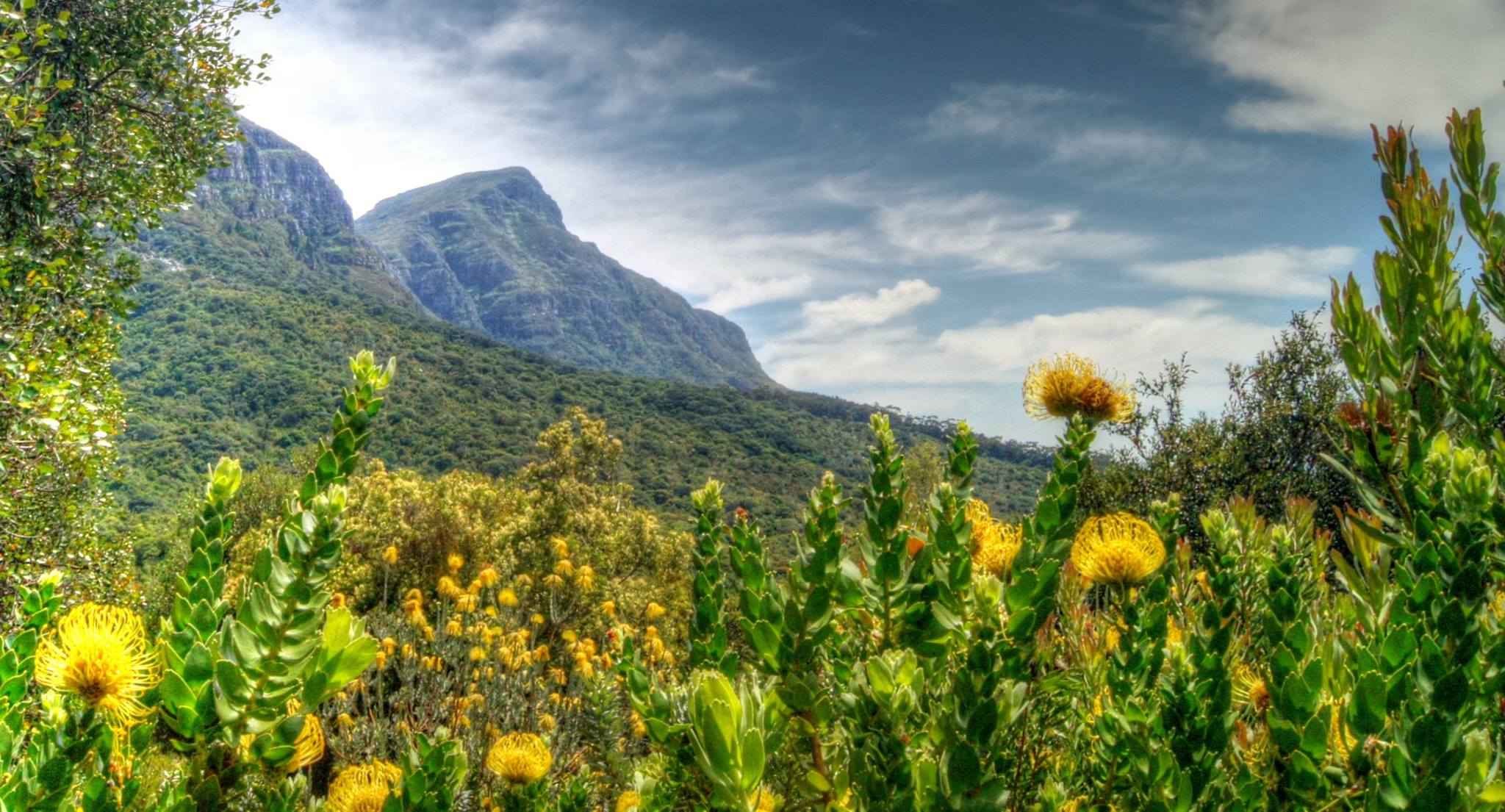
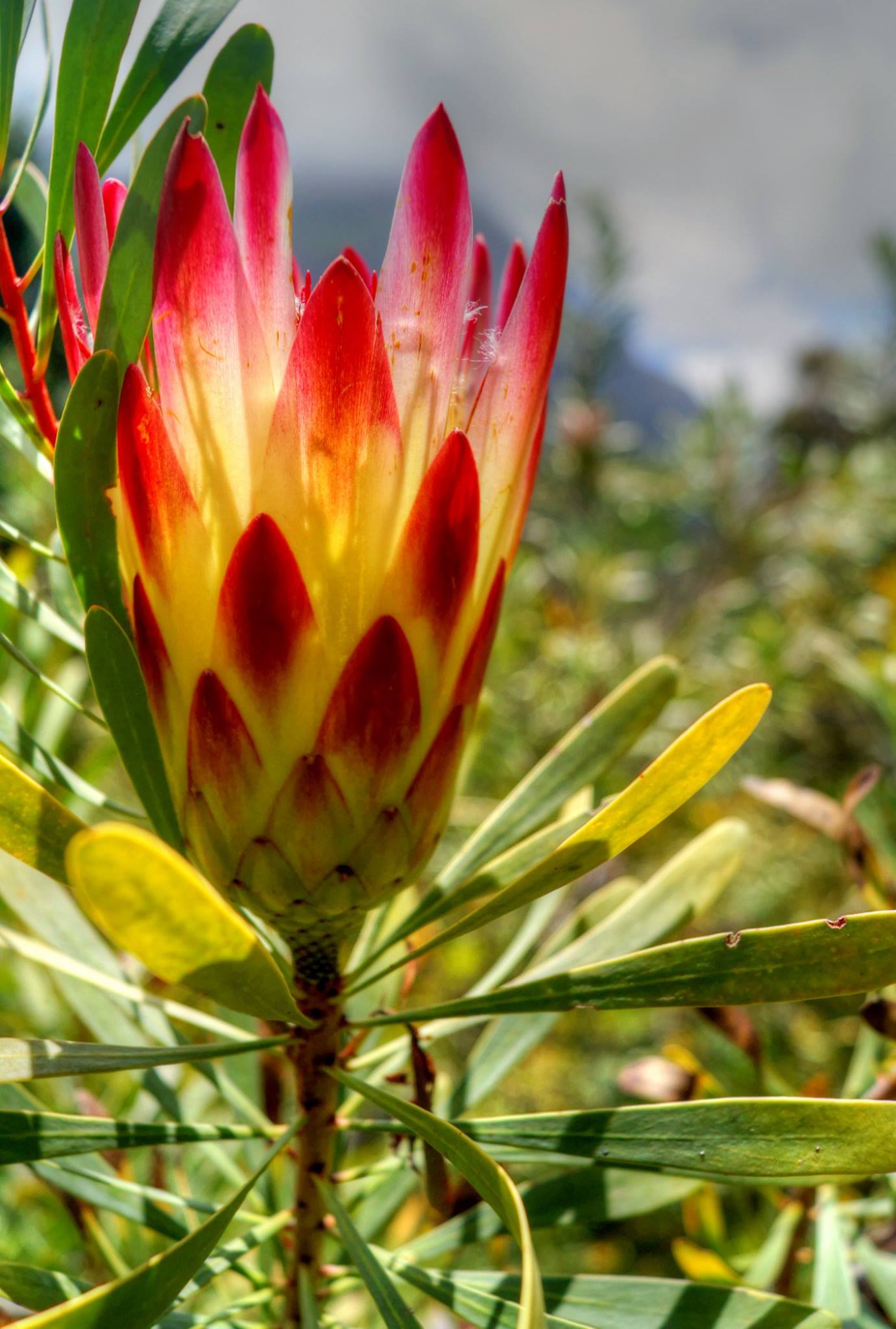
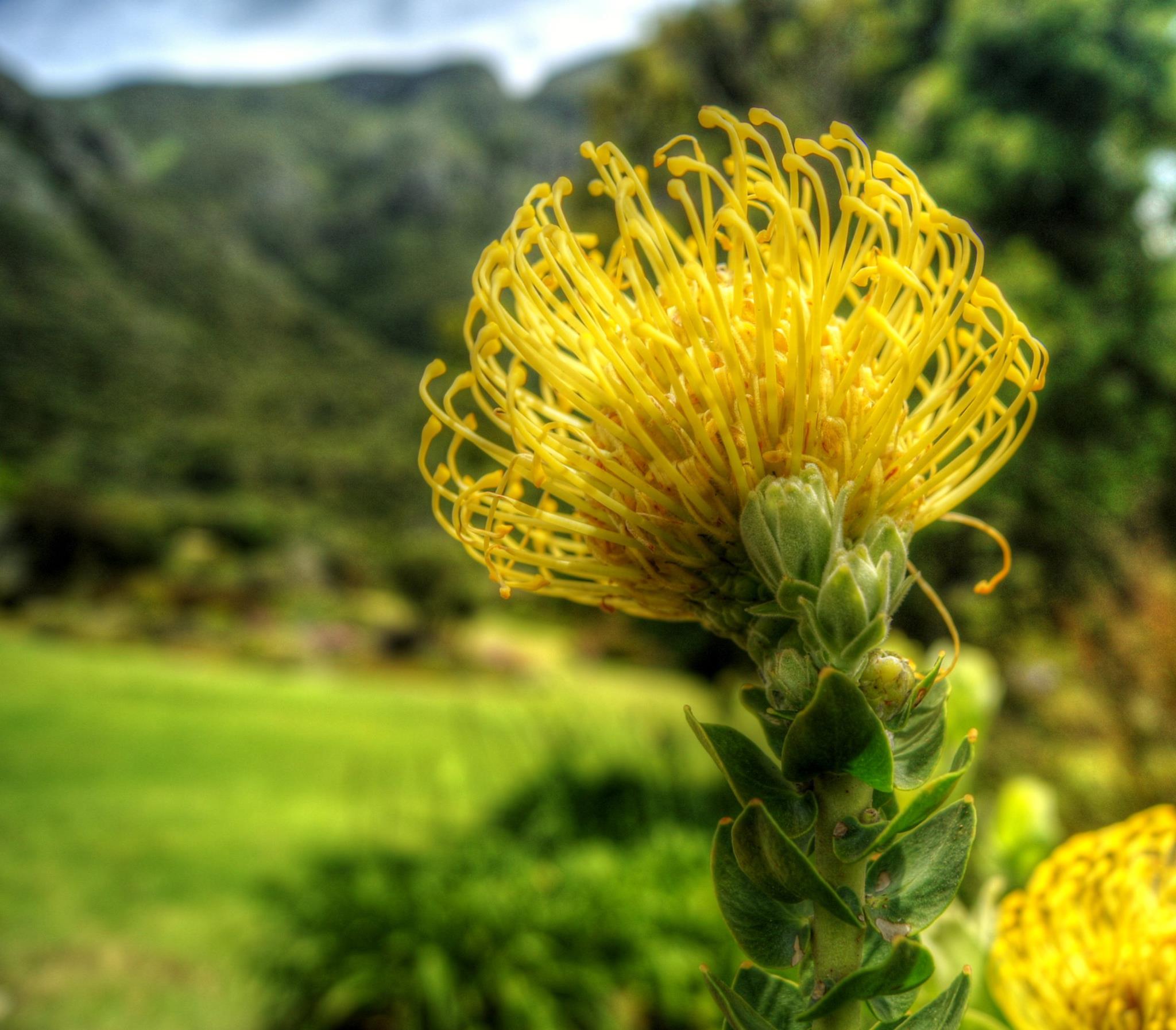
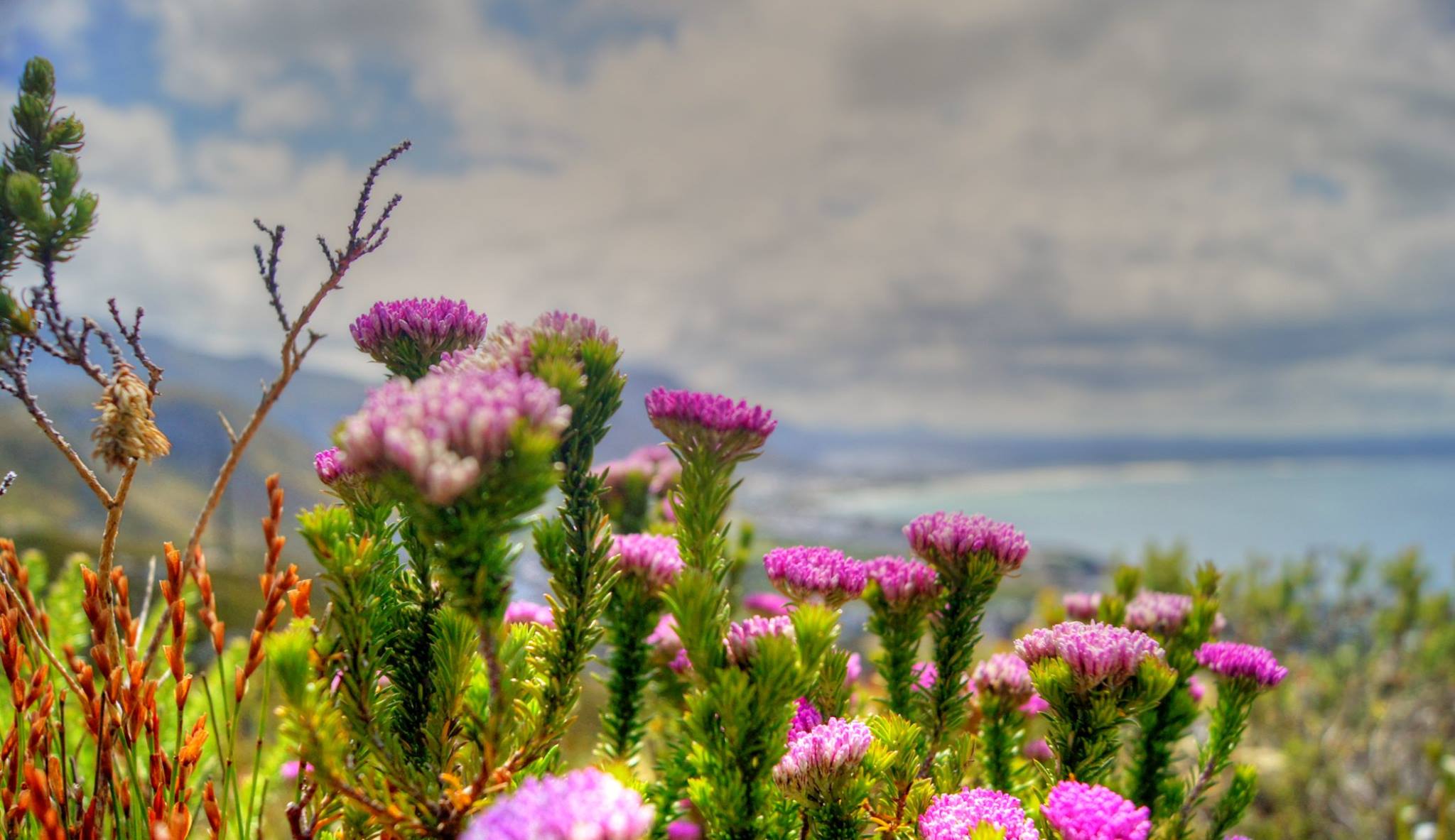
The dominant vegetation around the hotel is fynbos — a UNESCO-recognised floral kingdom unique to the Western Cape. Heathers, proteas, restios, and ericas create a year-round mosaic of foraging opportunities. If you're a pollinator, this is paradise.
Mountains
The mountains rise just behind the hotel, offering dramatic thermals for adventurous flyers and sheltered valleys for those who prefer calmer air. Rocky outcrops provide additional basking spots on cool mornings.
The Sea
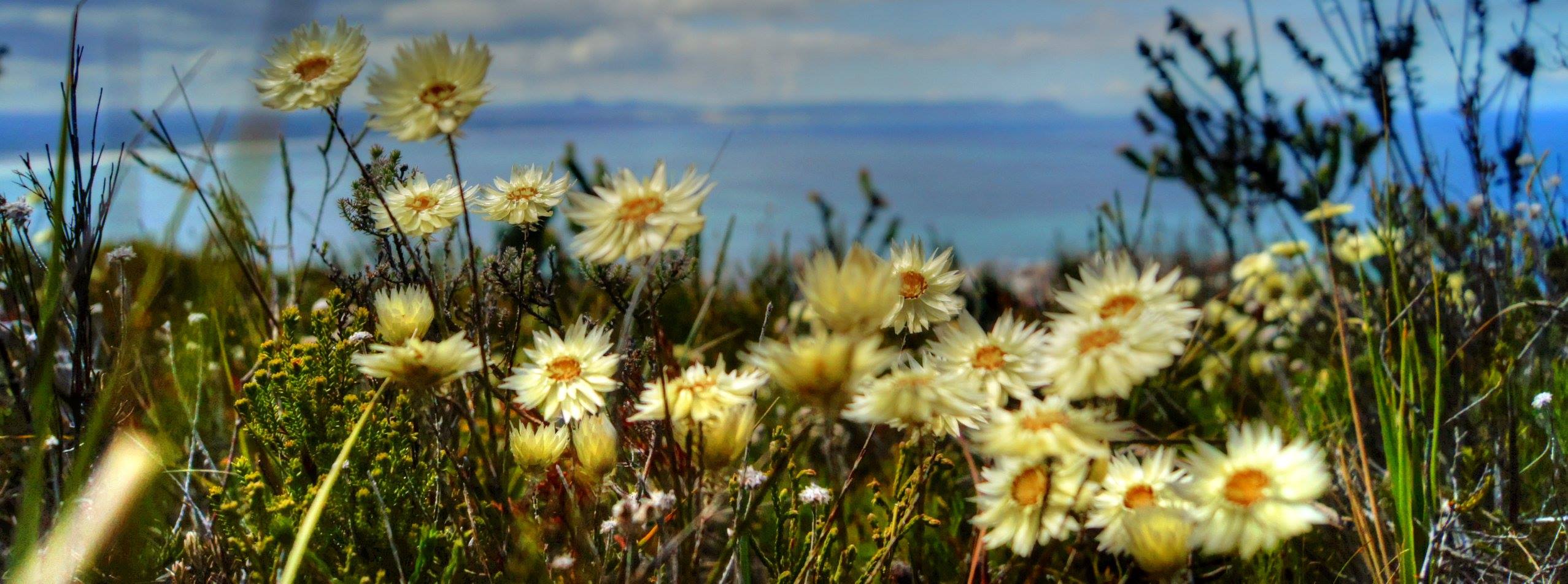
The coastline is a short flight away. While most of our guests prefer to stay inland, the sea breeze brings moisture and moderates temperatures. Coastal wildflowers extend the foraging range for ambitious day-trippers.
Forest Pockets
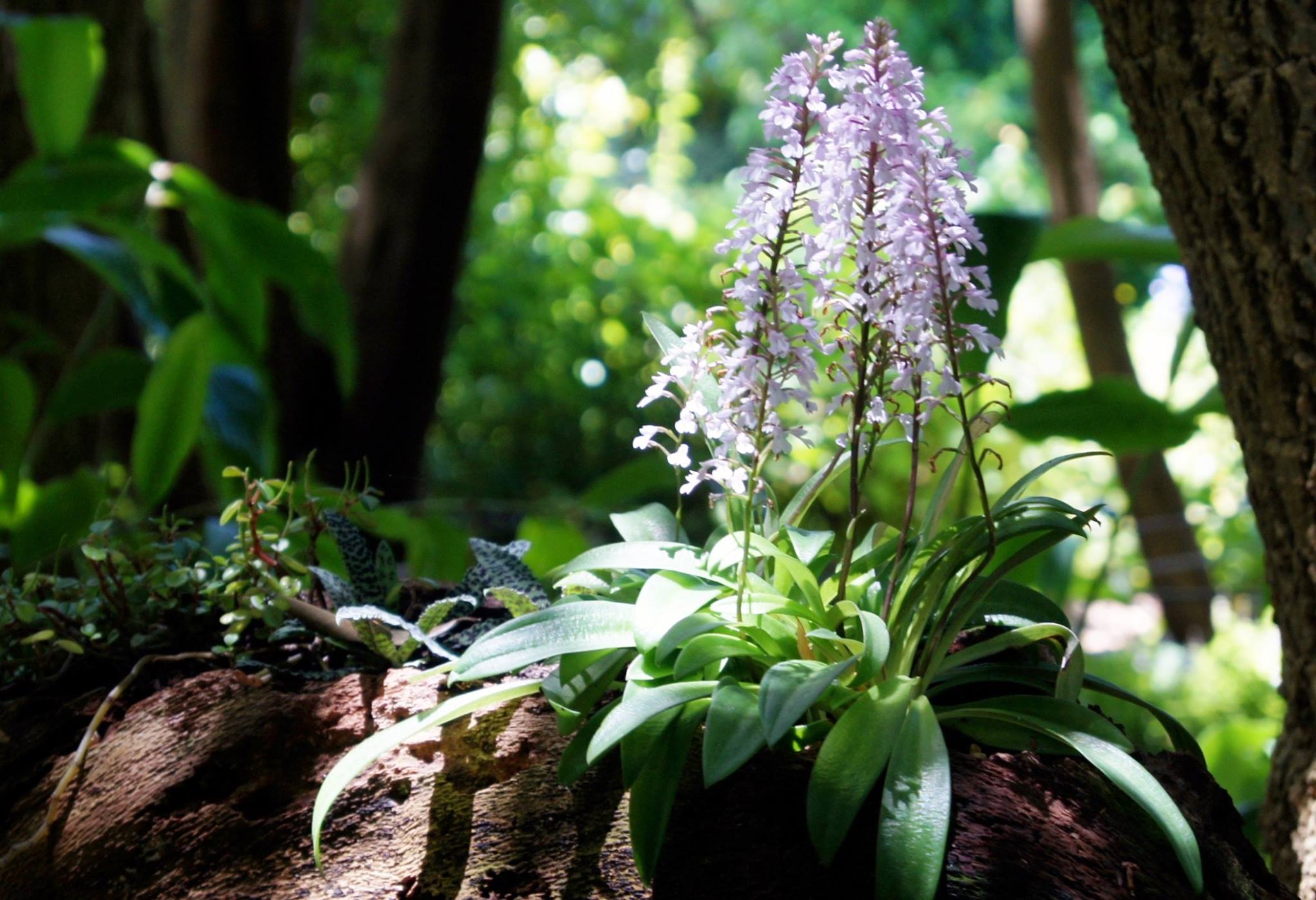
Scattered patches of indigenous forest provide shade, humidity, and a completely different ecosystem to explore. Ideal for guests who enjoy variety.
What's on the Menu
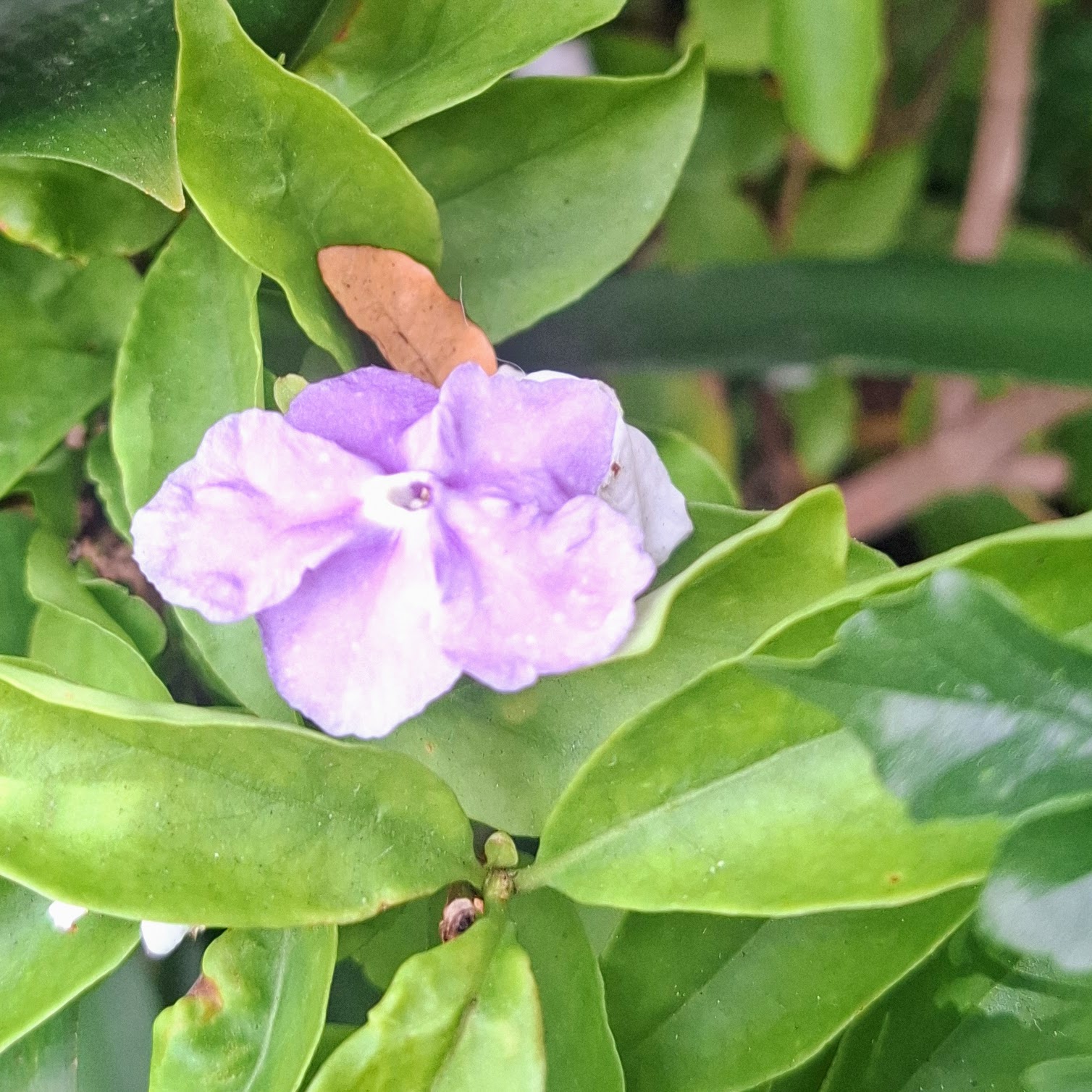
The garden and surrounding landscape provide a constantly changing buffet. Here's a taste of what's in bloom:
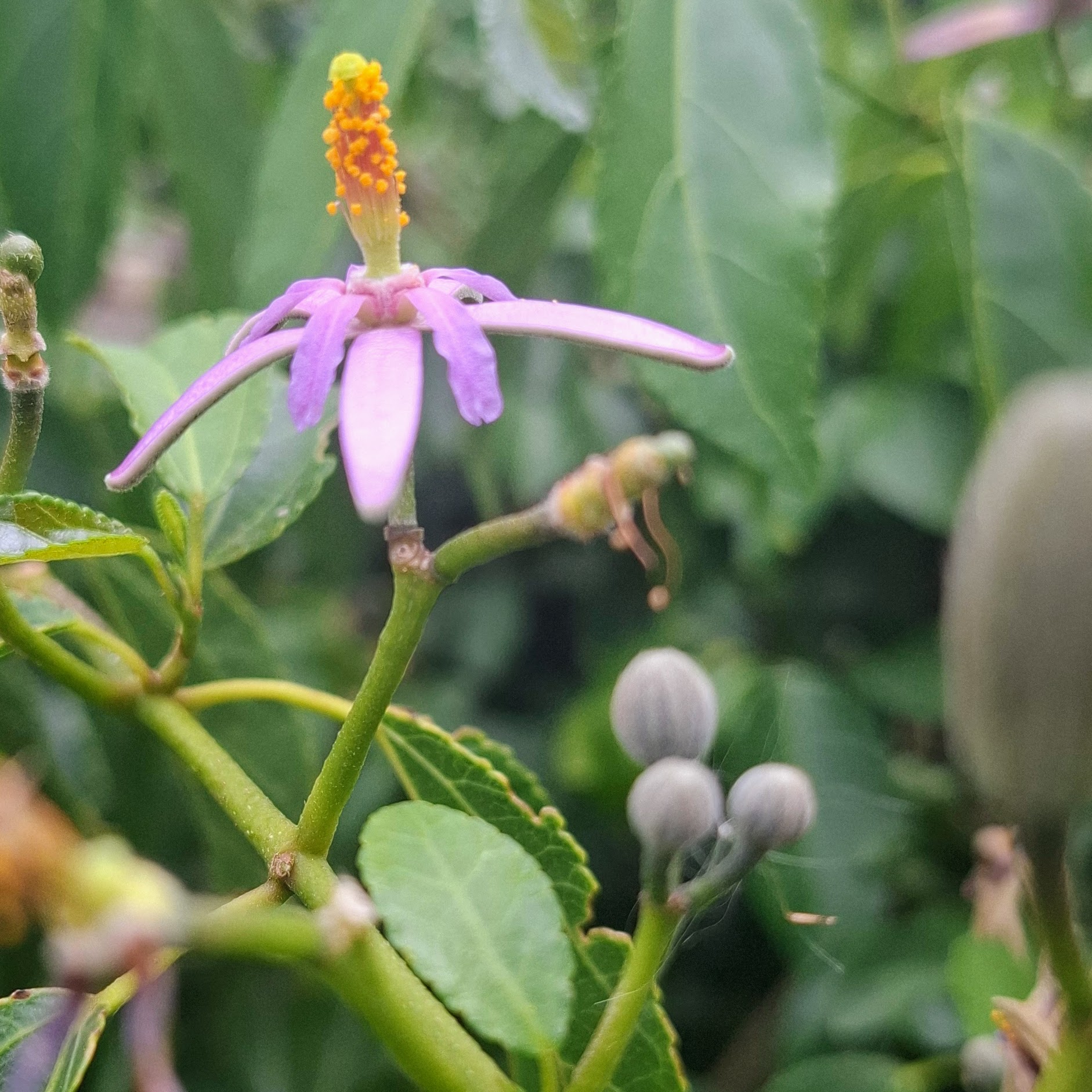
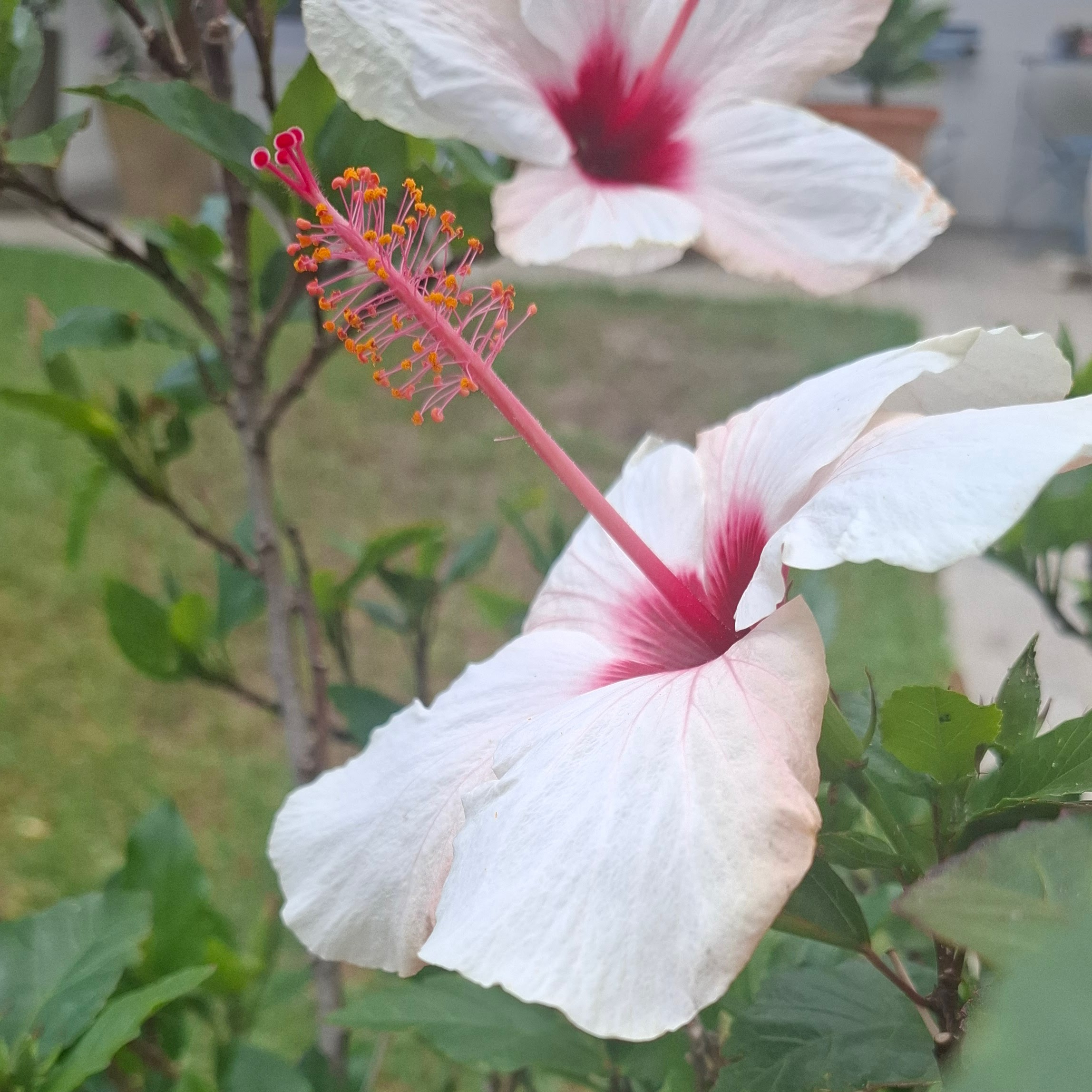
And in the surrounding fynbos:
Seasonal Activities
Spring (September – November)
- Peak bloom season — fynbos erupts in colour. Foraging at its finest.
- Nesting season for solitary bees — prime time to claim a room.
- Warm days, cool nights. Occasional rain.
Summer (December – February)
- Dry and hot — minimal rain, long days, maximum flight time.
- Wildflowers in full display.
- Shade trees become popular gathering spots.
- Fire risk season — the fynbos is adapted to it; so should you be.
Autumn (March – May)
- Temperatures ease. Early rains begin.
- Late-season foraging on autumn-flowering species.
- A quieter time at the hotel — ideal for guests seeking true solitude.
Winter (June – August)
- Rainy season — expect wet days and blustery winds.
- Overwintering guests hunker down in insulated rooms.
- The landscape rests and regenerates.
- Fewer guests, more space. Perfect for the contemplative insect.
Local Community
The neighbours are, on the whole, welcoming:
- Birds — mostly keep to themselves, though some are opportunistic. Stay alert, stay small, stay in your room if uncertain.
- Lizards — sunbathe nearby but are generally more interested in warming up than hunting.
- Spiders — some share the hotel. A respectful distance is advised.
- Plants — the true hosts of this landscape. They feed you, shelter you, and ask nothing in return but the occasional pollination.
- Humans — the ones who built the hotel. They observe from a distance, occasionally top up the water, and find the whole arrangement delightful.
Getting Here
The Insect Hotel is accessible by air only. Navigate by:
- Scent — follow the fragrance of blooming fynbos
- Sight — look for the wooden structure facing south-east, near the garden boundary
- Instinct — you'll know it when you see it
Travel advisory
Wind conditions can be challenging, especially in winter and during south-easterly gales in summer. Plan your approach accordingly. We recommend arriving on calm mornings for the smoothest landing.