Our Guests
The Insect Hotel doesn't advertise. It doesn't need to. The guests who find their way here are drawn by instinct, scent, and the quiet promise of shelter in a world that offers them very little of it.
Each of our guests has a reason for being here. Each plays a role in the garden that most humans never notice. Here's who you might find checking in, and why this place matters to them.
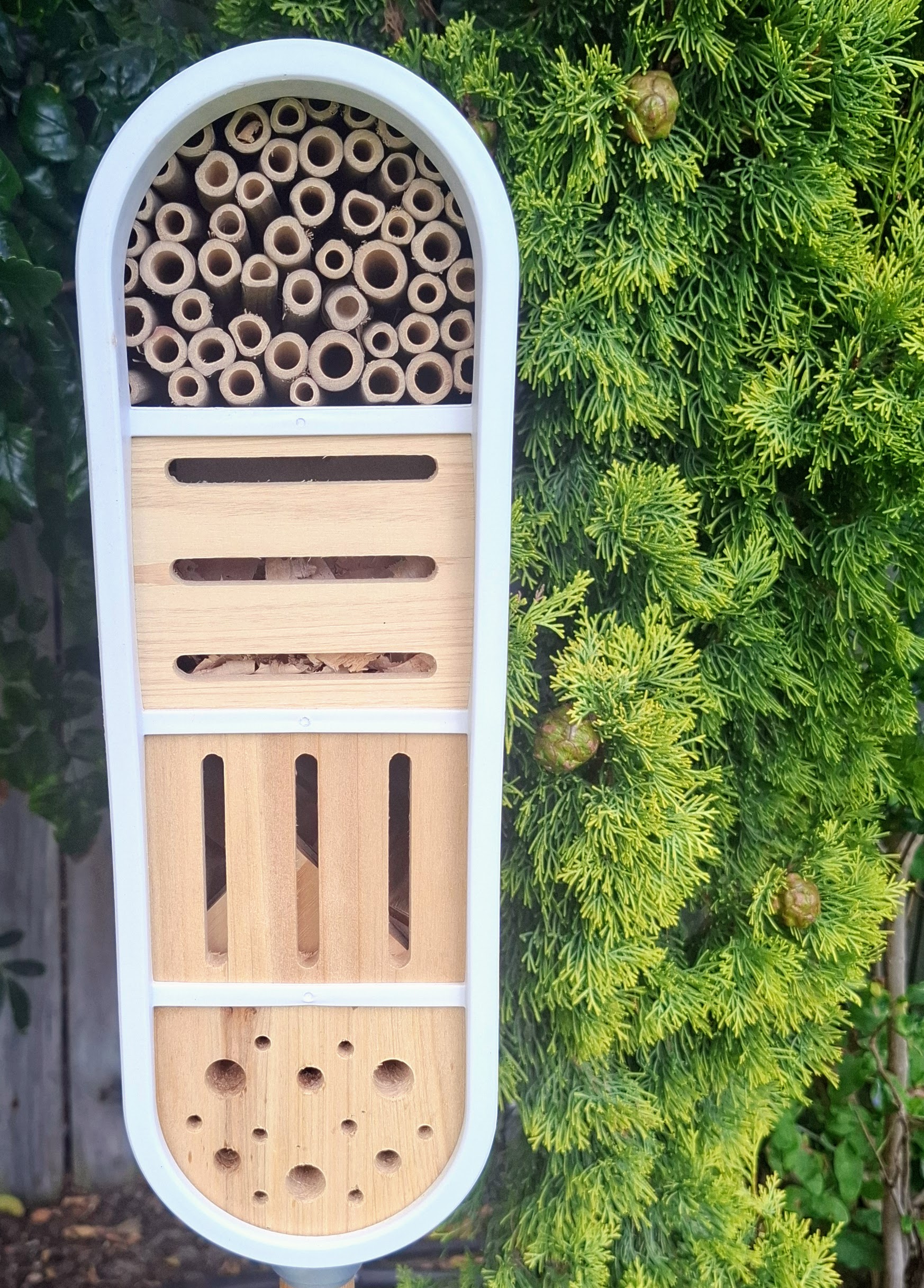
Currently in Residence
A few of the guests checked in this season. Each keeps to their own nook, and each gives something back to the garden.
Apricot
Mason bee
Seals each nursery cell with a neat plug of mud and gets on with her work. Quiet, tidy, and an excellent early-spring pollinator.
Sage
Green lacewing
Works the night shift with golden eyes built for the dark. Wintered three months in the Pine Cone Loft without a single complaint.
Pip
Ladybird
A wet-season refugee with an appetite for aphids – up to 5,000 in a lifetime. Tucks into the bark layers until the rains pass.
Marlow
Carpenter bee
Appreciates a well-drilled hole and a south-facing morning. Big, glossy, and far gentler than his hum suggests.
Fern
Hoverfly
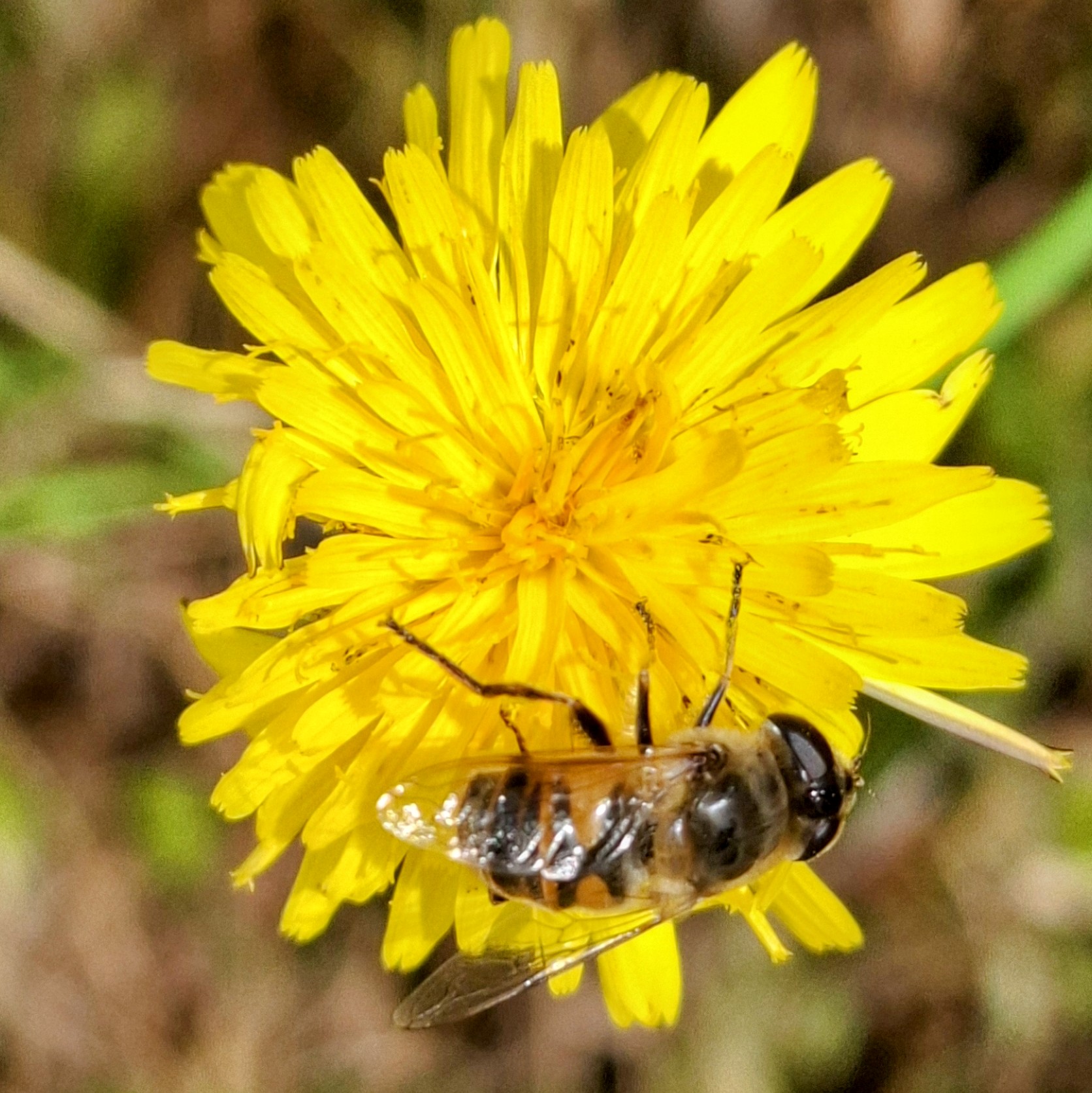
A pollinator in wasp's clothing, deeply and unshakeably drawn to yellow blooms. Rests in the straw bundles between foraging runs.
Bramble
Garden orb-web spider
Not an insect, but a long-standing resident all the same. Rebuilds her web after every gale and admires the foot traffic by the Bark Hideaway.
The Full Guest Register
Beyond this season's residents, here is who you might find checking in across the year, and why this place matters to them.
Solitary Bees
The hotel's most important guests.
Leafcutter bees, carpenter bees, and other solitary bees are not honeybees. They don't live in hives. They don't make honey. They don't have a queen. Each female works alone. She mates, finds a good cavity, and stocks it with pollen and nectar for her young. Then she seals the entrance and moves on. No colony. No caste system. Just quiet, solitary work.
Here's the problem: good nesting holes are hard to find. In the wild, solitary bees nest in hollow plant stems, beetle holes in dead wood, gaps in old walls, and crumbling earth banks. Modern gardens, with their tidy fences, treated timber, and paved surfaces, offer almost none of this. An insect hotel gives a solitary bee exactly what she needs: a dry, sheltered tunnel of the right width, facing the morning sun, close to flowers.
They're particular about their rooms. The tunnel needs to be smooth inside, about the width of a pencil, and deep enough to fit a chain of sealed nursery cells. Too shallow and she'll look elsewhere. Each cell gets a single egg and a pollen loaf, then a wall of mud or resin before the next. They come out in spring as the fynbos and garden flowers bloom, and they're remarkably good pollinators, which makes them priceless gardeners.
Leafcutter bees are a bit smaller and a bit pickier. They cut neat half-circles from rose leaves and soft foliage to line their cells. If you've ever seen perfectly round notches in your rose bushes, you've had a leafcutter as a neighbour.
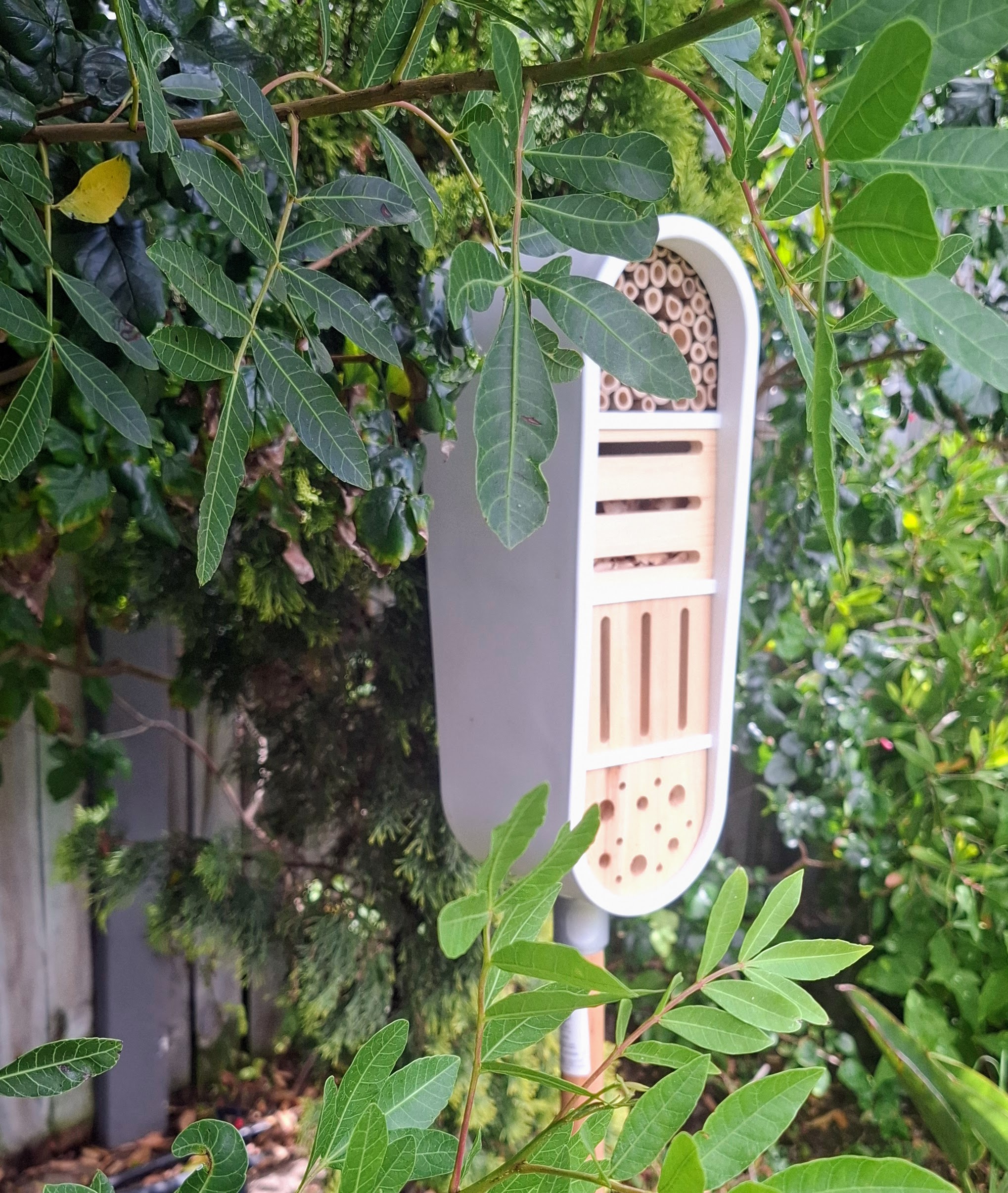
Preferred rooms: The Bamboo Suite, The Drilled Log Rooms, or the new standalone Bee Hotel
Solitary Wasps
The misunderstood professionals.
Forget what you know about wasps from braais and picnics. The solitary wasps that use insect hotels are nothing like yellowjackets or hornets. Potter wasps, mud daubers, and other solitary hunting wasps are calm, gentle, and very useful. They rarely sting. Even if they did, their venom is mild compared to social wasps.
They're specialist hunters. A single female may fill her nest with caterpillars, aphids, beetle larvae, or spiders. She stuns each one with precision and stores them alive as fresh food for her young. One wasp can remove hundreds of garden pests in a single season.
Like solitary bees, they need small cavities for nesting. They're losing habitat to the same forces: tidied gardens, sealed walls, removed deadwood. The hotel's narrower tubes suit them perfectly.
You can tell a wasp tube from a bee tube by the cap. Bees usually seal with mud or leaf material. Wasps use a plug of dried mud, sometimes mixed with sand grains.
Preferred rooms: The Bamboo Suite, The Straw Gallery
Ladybirds
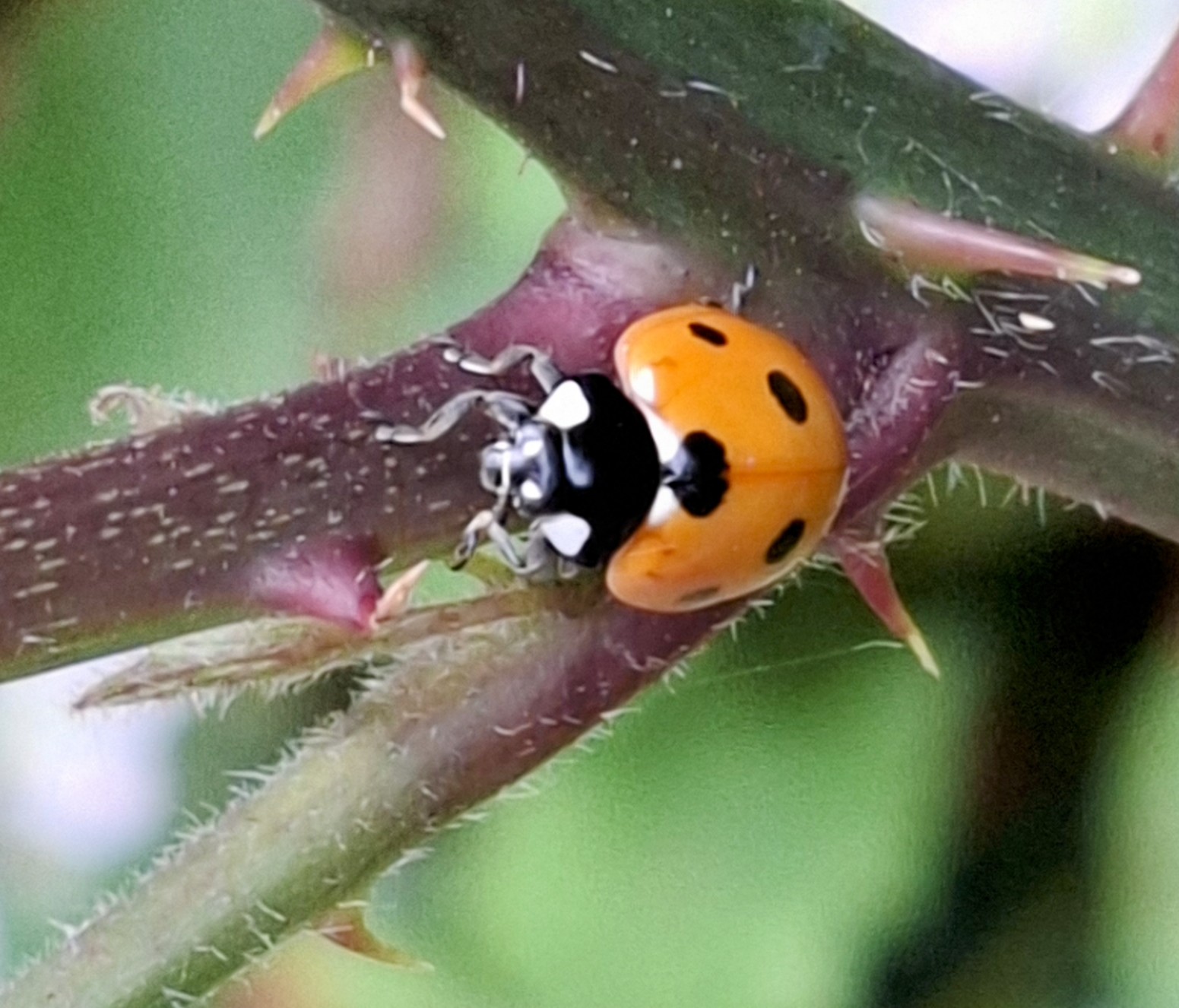
Wet-season refugees.
A single ladybird can eat 5,000 aphids in its lifetime. In summer, they spread across the garden, steadily clearing plants of pests. But when autumn arrives and the Western Cape's wet winter begins, ladybirds need a sheltered, dry place to go dormant and wait out the rains until spring.
In the wild, ladybirds shelter in leaf litter, under bark, and in rock cracks. They often group together, sometimes dozens at a time, to keep moisture levels right and avoid waterlogged spots. An insect hotel's pine cones, bark layers, and stacked gaps provide exactly this: a complex, sheltered space with many ways in, where ladybirds can tuck in for the wet months.
Without enough winter shelter, ladybird numbers drop, and the following spring's aphid problems get worse. The hotel doesn't just house ladybirds. It protects the garden's pest control for the season ahead.
Preferred rooms: The Pine Cone Loft, The Bark Hideaway
Lacewings
The night shift.
If the hotel had a pest control department, green lacewings would run it. Their larvae, known as "aphid lions," can clear 200 aphids a week and aren't fussy about what else they catch: mites, thrips, whitefly eggs, small caterpillars. The adults are delicate, pale green, with large see-through wings and golden eyes.
They work the night shift and the dawn-and-dusk shifts. Those golden, shimmering eyes are built for gathering light in near-darkness. During the day, they rest. During winter, they need a dry, sheltered spot to ride out the wet season.
This is where many lacewing populations are lost. Cold, waterlogged nights in exposed spots can kill dormant adults. The hotel's pine cones, tightly packed straw, and bark gaps give them exactly what they'd otherwise find in bark cracks and dense undergrowth: somewhere dry and still.
Come spring, surviving lacewings lay hundreds of eggs on nearby plants, and the cycle of pest control begins again.
Preferred rooms: The Pine Cone Loft, The Straw Gallery
Hoverflies
Pollinators in disguise.
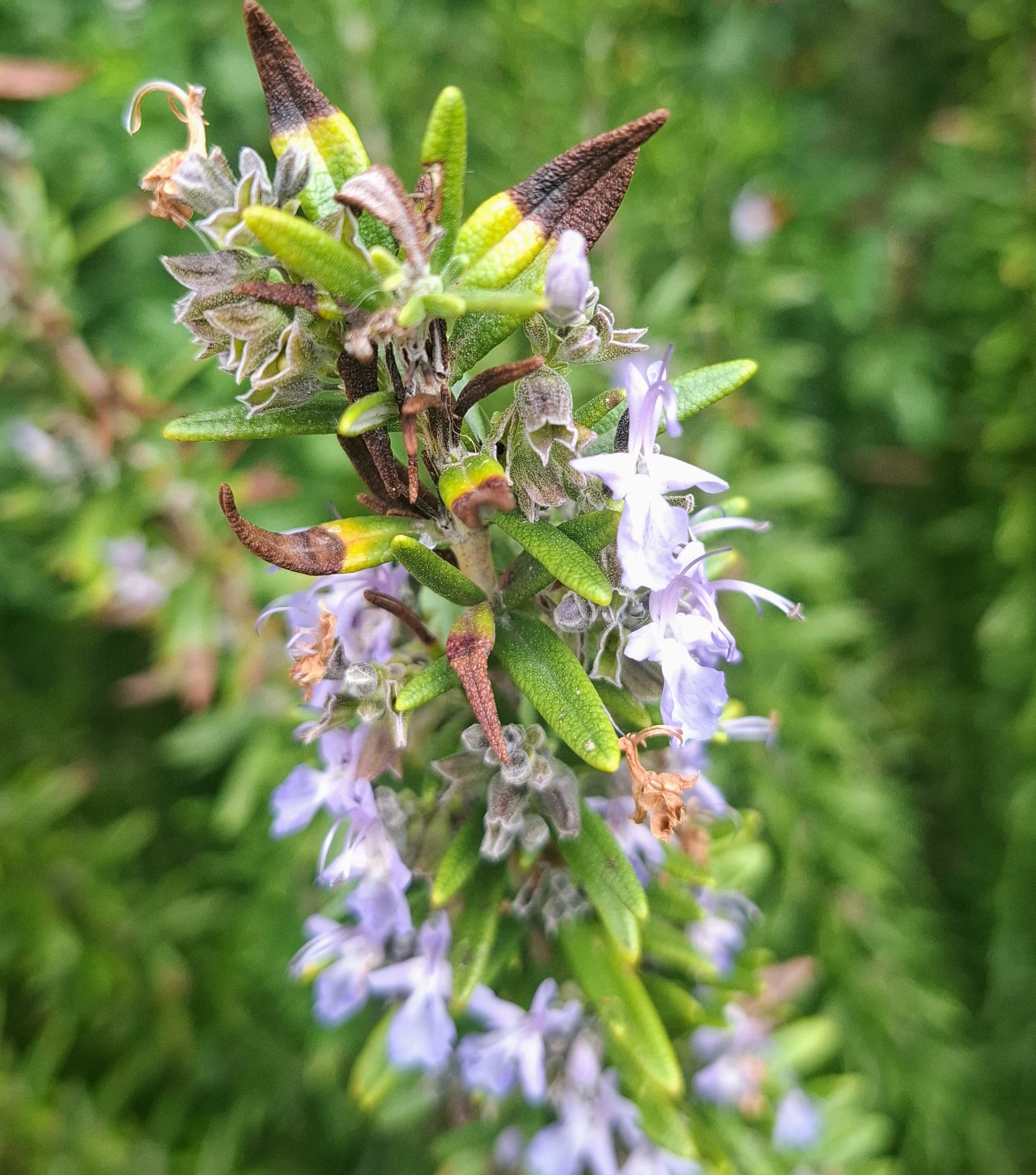
Hoverflies are the mimics of the insect world. Many species wear wasp-like stripes despite being completely harmless. As pollinators, only bees outwork them. As pest control, their larvae give lacewings a run for their money.
Adult hoverflies need sheltered resting spots close to food sources. Some go dormant during the wet winter months and need the same kind of sheltered nook as lacewings. Others spend winter as pupae in soil or leaf litter.
An insect hotel surrounded by flowering plants is ideal. The adults can forage among the fynbos and garden flowers by day. They are drawn to yellow blooms above all else, deeply and unshakeably. At night, or during bad weather, they retreat to the hotel's bark layers and straw bundles.
Their larvae, laid on aphid-covered plants nearby, provide free, silent, tireless pest control.
Preferred rooms: The Bark Hideaway, The Straw Gallery
Earwigs
Unfairly maligned.
The common earwig has an image problem. Those pincers look threatening, and the old myth about crawling into ears won't go away. In truth, earwigs are scavengers and hunters that eat everything: aphids, mites, insect eggs, and rotting plant matter. On balance, they're good for gardens.
They're active at night and need dark, tight-fitting hiding spots during the day. In nature, they shelter under bark, in flower heads, and in soil cracks. They are also remarkable parents: the female guards her eggs and cares for the young after hatching. This is one of the very few examples of mothering in non-social insects.
An insect hotel's pine cones, bark layers, and bundled stems provide exactly the kind of narrow, dark spaces earwigs look for. A female tucked into a pine cone gap with her clutch of eggs is not a pest. She's a mother doing her best in a world full of predators.
Preferred rooms: The Pine Cone Loft, The Bark Hideaway
Beetles
The quiet majority.
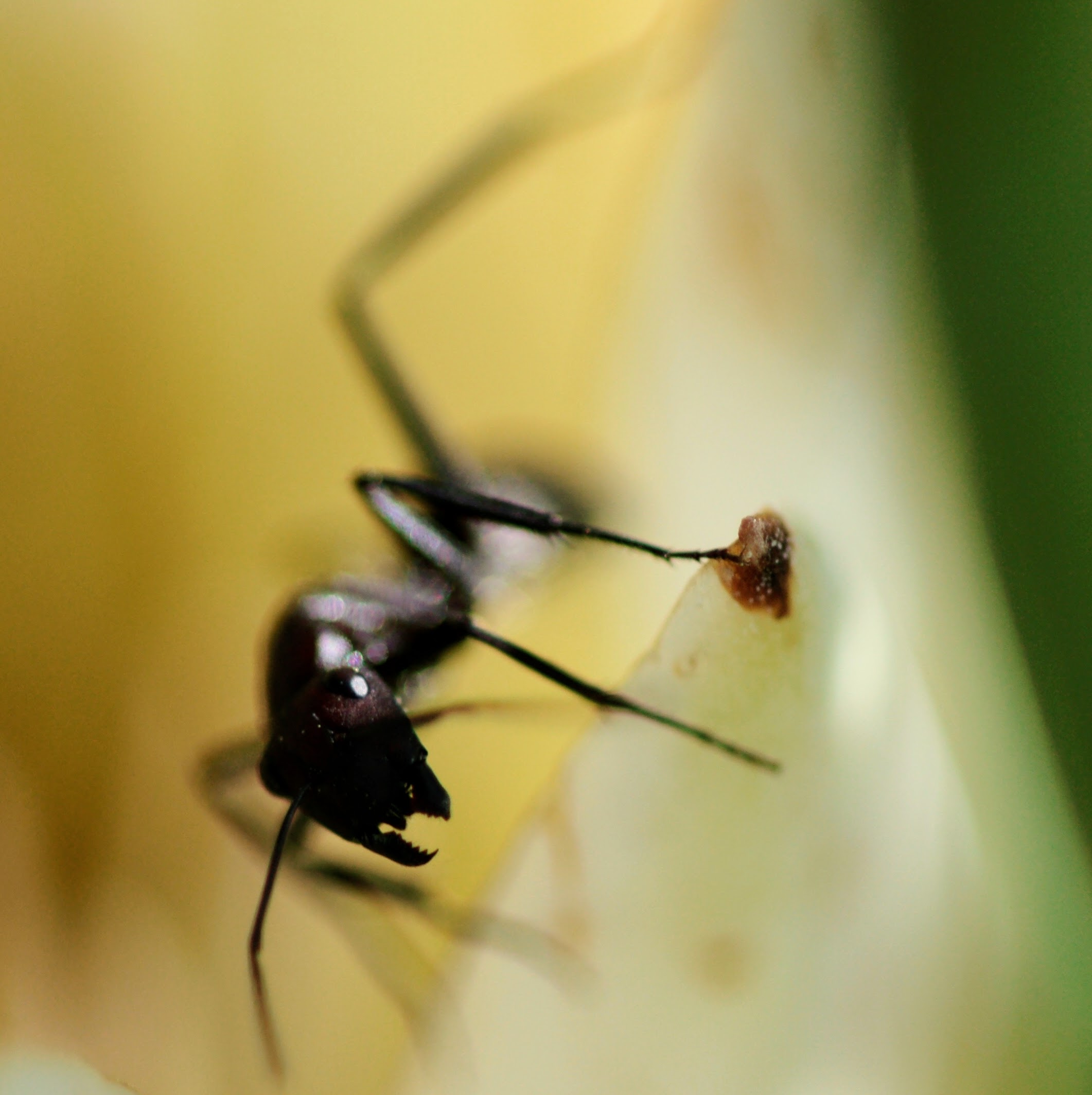
There are more species of beetle than any other kind of insect. A fair number of them live here. Ground beetles hunt slugs, snails, and soil-dwelling larvae at night. Rove beetles hunt aphids and small invertebrates. Even bark beetles and wood-boring beetles play a role in breaking down dead plant material and recycling nutrients.
Many beetles need undisturbed ground-level habitat: leaf litter, loose bark, and rotting wood. Modern gardens often strip all of this away in the name of tidiness. An insect hotel with a generous leaf litter base and stacked bark provides the dark, damp, sheltered conditions that hunting beetles need to thrive.
A garden with a healthy beetle population has fewer slugs, fewer soil pests, and better nutrient cycling. The beetles ask for nothing but to be left alone in the dark.
Preferred rooms: The Bark Hideaway, The Leaf Litter Lounge
Butterflies
Passing through, or sheltering through winter.
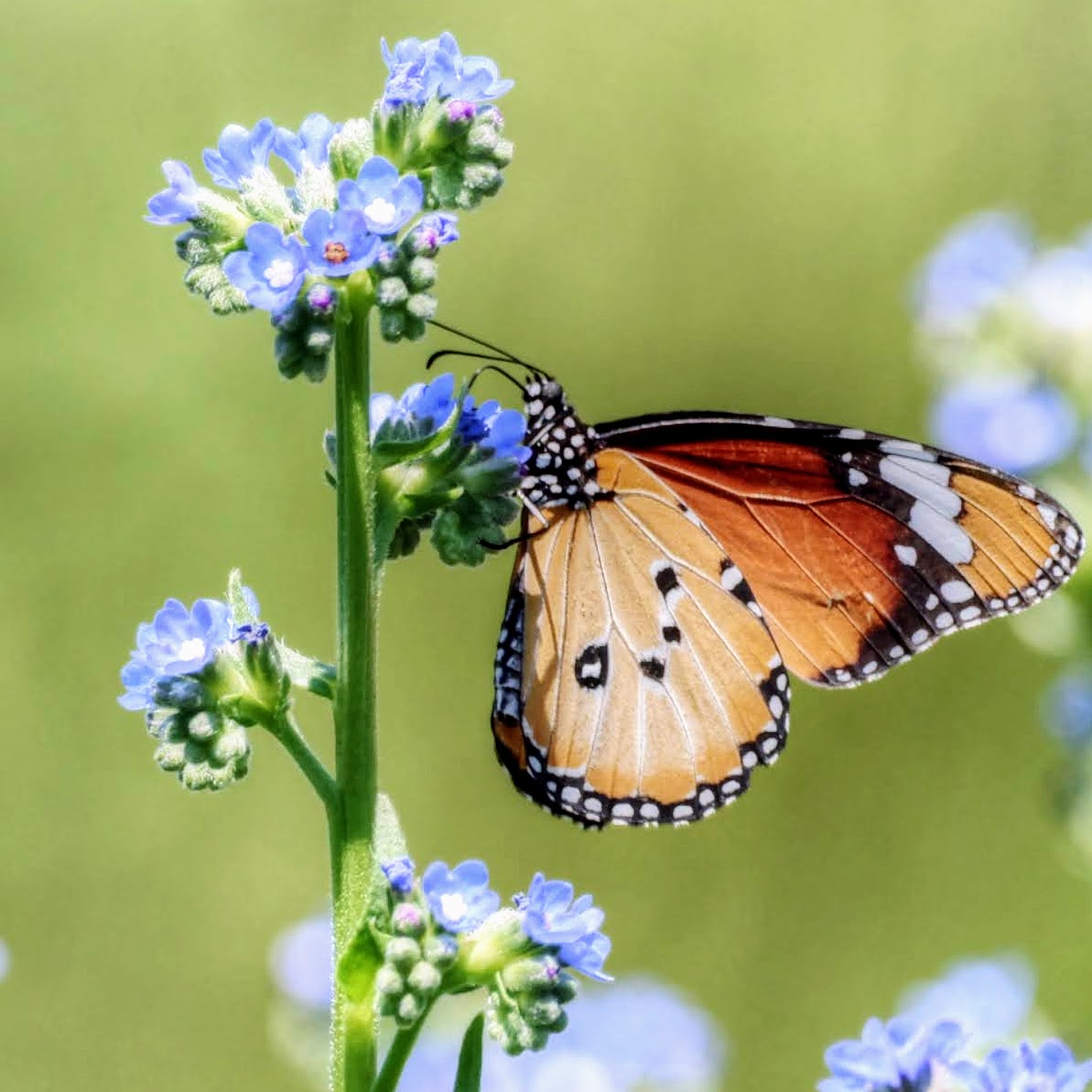
Most butterflies won't nest in an insect hotel, but several species go dormant during the cooler, wetter months and need sheltered resting places. Pansies, the African Monarch, and other local species seek out dry gaps in autumn. They enter a quiet period until the warmer weather returns.
Dormant butterflies are very vulnerable. A flooded shelter, a long damp spell, or a curious predator can be fatal. They need stable, dry, undisturbed spaces that stay at a fairly steady temperature through the wet winter months.
An insect hotel's slatted wood panels, bark layers, and leaf litter sections offer exactly this: narrow vertical gaps and sheltered nooks where a dormant butterfly can rest with folded wings, blending in against the wood, undisturbed until spring.
The Table Mountain Beauty, one of the Western Cape's most iconic butterflies and a key pollinator of red fynbos flowers including the Red Disa, may visit the garden to feed on nectar-rich blooms. It won't shelter in the hotel, but it appreciates the habitat.
Preferred rooms: The Leaf Litter Lounge, The Bark Hideaway
Woodlice
Not insects, but welcome.
Woodlice are crustaceans, more closely related to crabs and lobsters than to any insect in the hotel. But they earn their place as decomposers, breaking down dead plant material and returning nutrients to the soil. A garden without woodlice is a garden with poor soil health.
They breathe through modified gills, which means they need moisture the way you need air. Damp, dark, sheltered spaces are not a preference but a requirement: under logs, stones, in soil cracks. The Bark Hideaway's moisture-retaining layers and the Leaf Litter Lounge's rotting plant material provide ideal conditions.
They're quiet, harmless, and do their best work unseen. The garden's health depends, in part, on their tireless recycling.
Preferred rooms: The Bark Hideaway, The Leaf Litter Lounge
Why an Insect Hotel?
The honest answer is that most of these species shouldn't need one. In a landscape with deadwood, wildflower edges, unmown grass, leaf litter, and crumbling walls, there would be nesting holes and shelter everywhere. Insects have managed without hotels for hundreds of millions of years.
But modern landscapes have removed almost all of this habitat. Gardens are tidied. Deadwood is cleared. Fynbos edges are cut back. Old walls are repointed. Wild areas are mown and sprayed. The nesting and shelter sites that solitary bees, lacewings, ladybirds, and beetles depend on have been steadily wiped out, not out of cruelty, but out of habit.
An insect hotel is a small act of repair. It puts back, in a compact form, what the surrounding landscape has lost:
- Cavities for solitary bees and wasps to nest
- Shelter for lacewings, ladybirds, and butterflies through the wet season
- Dark, damp refuge for beetles, earwigs, and woodlice
- Closeness to food, placed near flowering plants to shorten the trip between nest and forage
- Stability, a structure that stays put, season after season, so returning guests can find their way back
The guests who use The Insect Hotel are not freeloaders. Every one of them gives back: pollination, pest control, decomposition, nutrient cycling. The hotel is an investment in the garden's health, and in the wider ecosystem it belongs to.
The Insect Hotel Philosophy
"We don't attract guests. We provide what they've been looking for all along, and let nature do the rest."